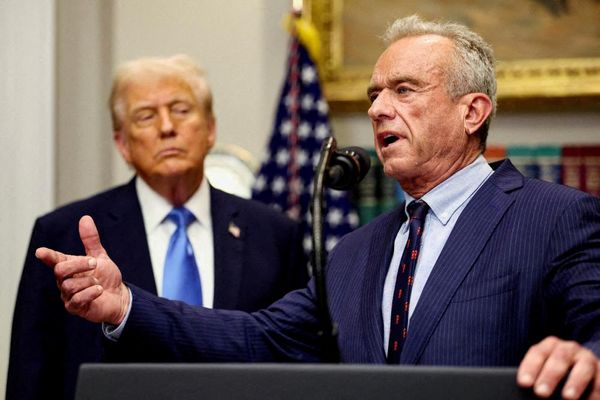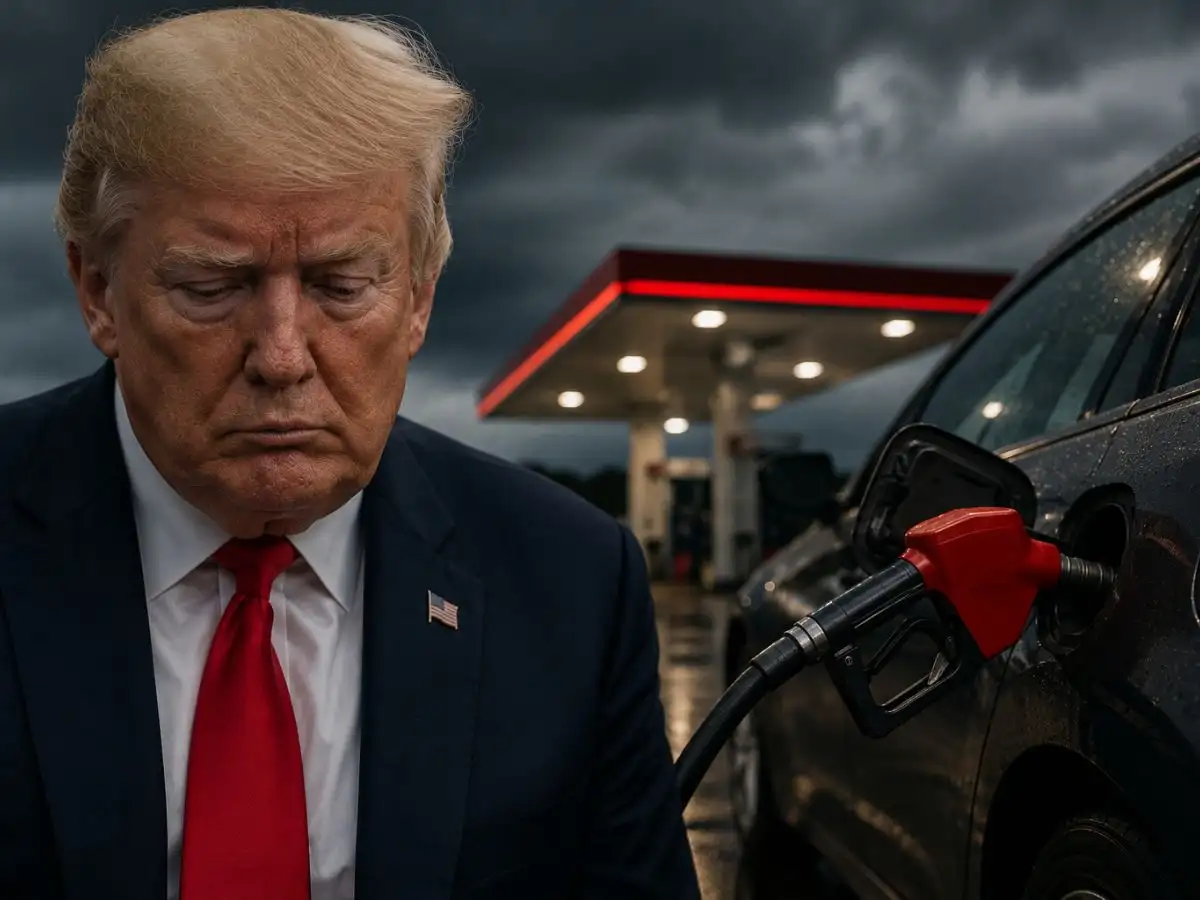
US President Donald Trump has ordered a DOJ probe into major oil companies, accusing them of keeping gasoline prices -- retail prices at the pump in the US -- artificially high. He has effectively acknowledged a political problem he believed was already solved. He had repeatedly promised that fuel prices would "fall like a rock" once the fighting with Iran ended and tanker traffic resumed through the Strait of Hormuz. Instead, American drivers are still paying significantly more than they were before the conflict. The gap between Trump's expectations and market reality is exposing a broader misreading of how global oil markets function.
Trump has landed himself in what economists call the "rockets and feathers" phenomenon, and he is squirming for a safe exit.
The original bet gone wrong
From the outset, Trump's calculations appeared to rest on a relatively simple premise. The administration believed military pressure on Iran could be applied without triggering a prolonged disruption in global energy supplies. Even if oil prices spiked temporarily, officials seemed convinced that reopening the Strait of Hormuz would rapidly reverse the damage. That assumption now looks flawed.
The Strait of Hormuz is not just another shipping route. Roughly a fifth of the world's seaborne oil trade passes through the narrow waterway. Any threat to shipping there immediately reverberates across global energy markets. Oil traders price not only current supply conditions but also future risks. The mere possibility of disruption can send prices soaring. Trump himself effectively admitted how serious the danger was when he said recently that oil reserves could have been exhausted within weeks if shipping through Hormuz remained blocked. His comments suggested that the administration understood the magnitude of the risk. Yet critics argue that this realization came only after military action had already pushed markets into turmoil and not when it ought to have been -- when Trump decided to attack Iran. The contradiction is striking. If the threat of closure was serious enough to create what Trump called "bedlam," then launching a military campaign that risked such an outcome was always a high-stakes gamble.
One of Trump's biggest miscalculations was treating Hormuz primarily as a regional issue rather than a global economic one. The United States today produces enormous quantities of oil and is often described as a net exporter of petroleum products. That reality has led some politicians to suggest America is largely insulated from overseas energy shocks. The Iran crisis demonstrated otherwise.
Oil is priced in a global market. American refiners may process domestic crude, but they also import millions of barrels from abroad. Even domestically produced oil is valued according to international benchmarks. When fears of supply disruptions push global prices higher, American consumers feel the consequences regardless of where the oil originated. In other words, US energy independence does not mean immunity from global price shocks.
The “rockets and feathers” phenomenon
Trump's frustration with sticky retail oil prices today stems from a reality that energy economists have explained for decades. Crude oil prices and gasoline prices do not move in perfect sync. Oil prices have dropped sharply since the preliminary agreement between Washington and Tehran reopened tanker traffic through Hormuz. Yet pump prices have fallen much more slowly.
To many consumers, and apparently to Trump, this may appear suspicious. If crude oil is cheaper, why are gas stations not immediately slashing prices? The answer lies in how fuel reaches consumers. Gasoline sold today was often produced from crude oil purchased weeks earlier at much higher prices. Refiners, distributors and retailers work through inventories that were acquired during the period of elevated costs. They cannot instantly replace expensive inventory with cheaper supplies. As a result, lower crude prices take time to filter through the system. This lag is a normal feature of energy markets rather than evidence of misconduct.
Economists have long used the phrase "rockets and feathers" to describe gasoline pricing. When crude oil prices surge, gasoline prices often shoot upward almost immediately -- like rockets do. When crude prices fall, pump prices tend to drift downward much more slowly -- like feathers do.
Consumers have complained about this behaviour for decades. Presidents from both parties have been frustrated by it. Joe Biden encountered the same problem after Russia's invasion of Ukraine in 2022. Trump is now confronting a similar reality.
The phenomenon exists for several reasons. Refiners and retailers must recover the costs of fuel already purchased at higher prices. Companies also face uncertainty about future crude prices and may hesitate to cut prices aggressively if they fear another supply shock is around the corner. Distribution contracts, transportation costs and inventory management practices further slow the adjustment process. Economists refer to this as "asymmetric pass-through" because increases in costs are transmitted faster than decreases. The effect is politically painful because consumers notice rising prices immediately but wait much longer for relief.
Another mistake in the public debate is assuming crude oil is the only factor that determines gasoline prices. Crude is merely the raw material. Once oil reaches a refinery, it must be processed into gasoline, diesel and other products. Refining capacity, maintenance schedules, operating costs and profit margins all influence the final price consumers pay. The US has limited spare refining capacity compared with previous decades. When markets experience disruptions, refiners often operate under significant constraints. Even after crude prices decline, refining costs may remain elevated.
Then come transportation expenses, storage costs and retail markups. By the time gasoline reaches a service station, crude oil accounts for only part of the total price. That is why a dramatic fall in oil prices rarely produces an equally dramatic decline at the pump.
The political clock outruns the market clock
Perhaps Trump's biggest error was assuming market dynamics would align with political timelines. The administration wanted lower fuel prices well before midterm elections. The theory was straightforward -- end the conflict, reopen Hormuz, watch gasoline prices collapse and allow voters time to forget the earlier spike. But markets rarely cooperate with electoral calendars.
Even optimistic analysts expect it to take months before fuel markets fully normalise. Some observers believe the effects of the disruption could linger much longer depending on future tensions between Washington and Tehran and the broader outlook for global energy demand. The result is that voters are still confronting elevated fuel costs precisely when Trump hoped they would be enjoying relief. That political reality helps explain Trump's growing anger toward oil companies and his decision to launch an investigation.
The president's accusation is that oil companies are pocketing the benefits of lower crude prices rather than passing savings to consumers. There may well be individual instances where margins expand during periods of volatility. Energy markets are not immune from opportunistic behavior. But most economists would caution against treating price gouging as the primary explanation. The slower decline in gasoline prices is a recurring pattern that has appeared under Republican and Democratic administrations alike. It occurred after the Ukraine crisis. It has appeared during previous oil shocks. It is deeply embedded in the structure of the fuel market. But that does not mean companies are blameless in every circumstance. It does mean that investigations alone are unlikely to produce the rapid price collapse Trump promised.