As demand for weight-loss drugs explodes, a dangerous shadow market of counterfeits, foreign generics, and underground peptides is quietly putting patients at risk. Big Pharma is fighting back. So far, with limited success.
The numbers are staggering. The global market for drugs like Ozempic, Wegovy, Mounjaro and Zepbound was worth roughly $70 billion in 2025 and is projected by JP Morgan to exceed $200 billion by 2030. More than 40 percent of American adults are classified as obese. Roughly 30 million live with Type 2 diabetes. One in eight American adults has already used a GLP-1 drug, according to KFF.
But high demand, limited supply, and U.S. prices that often exceed $1,000 a month have also created a booming grey market.
The Shadow Supply Chain
The ecosystem is vast. Online vendors sell semaglutide and tirzepatide sourced from overseas peptide manufacturers, often labeled "for research use only" to dodge scrutiny. Med spas inject compounded versions promoted through Instagram before-and-after photos. Americans cross into Mexico and Canada for cheaper product. Others carry drugs home in luggage from countries with far looser regulatory standards.
Counterfeit Mounjaro has been seized in Canada. Fake Ozempic has surfaced in U.S. pharmacies. The FDA warned in 2023 about counterfeits entering American supply chains, then expanded its alerts in 2025 after discovering falsified packaging and potentially unsafe contents. A Lancet report earlier this year described counterfeit GLP-1 drugs as a growing global public health emergency.
The danger is not always obvious. A 2024 study found falsified GLP-1 products contaminated with bacteria, excessive impurities, and even entirely different active ingredients. In some cases, investigators found fast-acting insulin, a potentially deadly substitution for non-diabetic patients.
The risks became tragically real in May 2025, when 53-year-old Karen McGonigal died in England after receiving what she believed was Mounjaro at a beauty salon. She had reportedly paid just £20 per injection.
Lilly Fights Back
Eli Lilly has spent the past two years trying to contain the boom through the courts. Since late 2023, it has filed lawsuits against medical spas, telehealth firms, and compounding pharmacies, alleging trademark infringement and false advertising. Novo Nordisk has pursued a parallel strategy, filing dozens of legal actions against compounders.
Both companies pushed the FDA toward stricter enforcement. In early 2025, the agency formally ended the shortage designation for semaglutide and tirzepatide, effectively banning most compounded versions. The decision sparked backlash from pharmacies and patients who depended on lower-cost alternatives.
Compounders argue they are serving patients priced out of life-changing drugs. Pharmaceutical companies argue that unregulated alternatives are dangerous. Both arguments contain truth. The grey market continues to grow.
The Hidden Risk of Foreign Generics
Not every dangerous product is counterfeit.
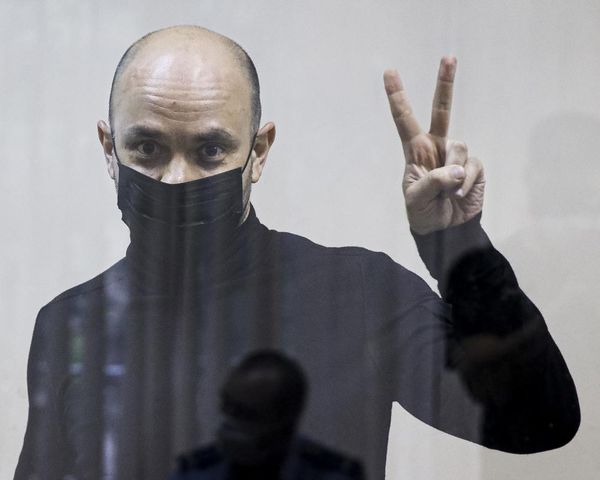
Mikhail, a Russian-born 44-year-old logistics manager from Brooklyn, whose story made the headlines both in the US and Russia, learned that firsthand. After discovering his Mounjaro prescription would cost more than $1,200 a month without insurance, he bought Sejaro, a Russian-manufactured tirzepatide analog, during a family trip to Moscow. Sold legally in local pharmacies for a fraction of the U.S. price, he brought the pens home and began injecting them.
Weeks later, he was hospitalized in New Jersey with severe fever, gastrointestinal complications, and dangerous blood pressure spikes.
"I thought I was doing something smart," he said. "I just saw the same active ingredient name – tirzepatide - and assumed it was the same thing."
Doctors initially suspected contamination or improper dosing. Later, it turned out that Sejaro contains benzyl alcohol, a preservative excluded from the U.S. single-dose formulation of Mounjaro because it can trigger metabolic acidosis, damage organs and prove fatal in vulnerable patients. Mikhail's kidneys suffered serious damage.
Experts stress that the problem is not related to the drug's Russian origin itself, and it does not apply to all Russian-made tirzepatide products. In Mikhail's case, the risk was linked specifically to Sejaro's formulation, which included benzyl alcohol. Patients like Mikhail, who focuses only on the active ingredient listed on the label may fail to notice these differences. Doctors say this highlights the risks of self-medicating without professional supervision.
Unlike outright counterfeits, products such as Sejaro may be manufactured legally under foreign regulations. But formulations, sterility standards, and cold-chain handling can differ significantly from FDA-approved products. The FDA can seize counterfeits moving through U.S. supply chains. It cannot regulate drugs bought abroad and carried home in a suitcase.
The Price Problem
At the center of the crisis is one basic fact: GLP-1 drugs cost far more in the United States than almost anywhere else. Mounjaro runs more than $1,000 a month in America. In parts of Europe, prices average closer to $350.
Mikhail, who has recovered, said he realized he had been lucky.
"I'd rather cut expenses somewhere else and save up for the original Mounjaro than risk ending up in a hospital a second time," he added
"Until affordability and access improve, warnings alone won't stop people from taking chances," one pharmaceutical safety expert said.