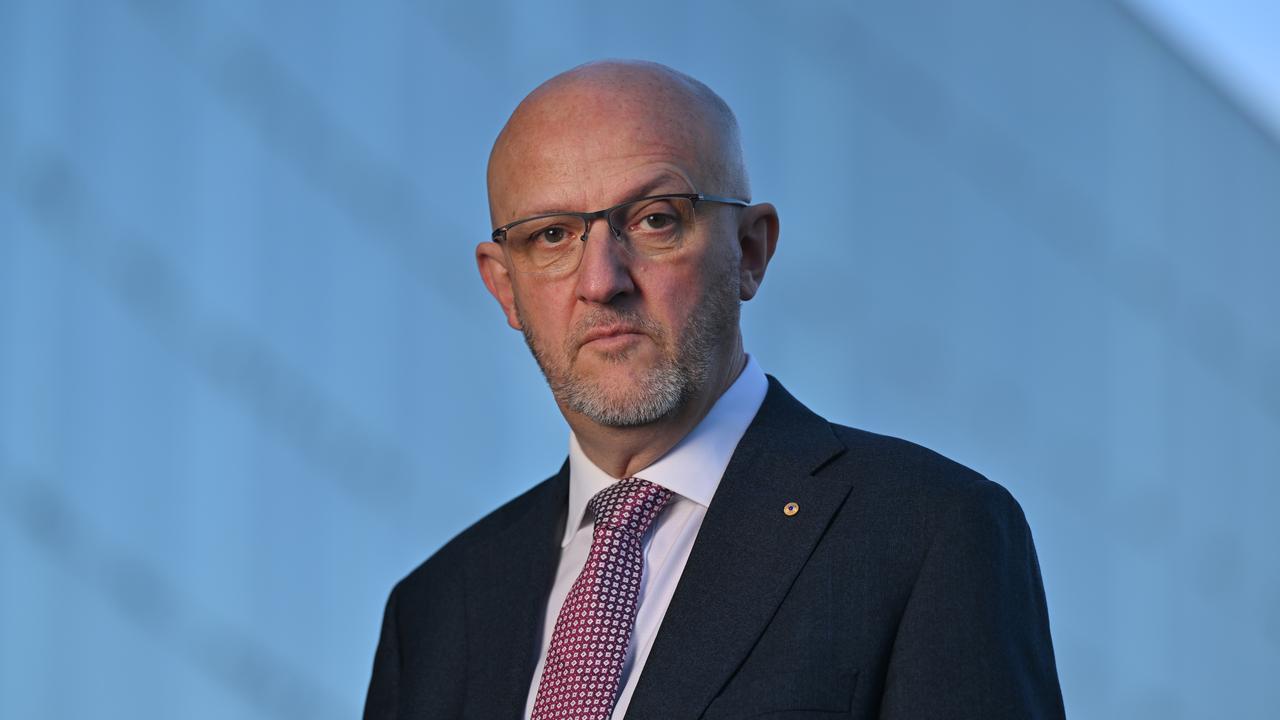
Australia's terror threat level could be given an overhaul after the nation's spy boss revealed it was not designed for the current security environment.
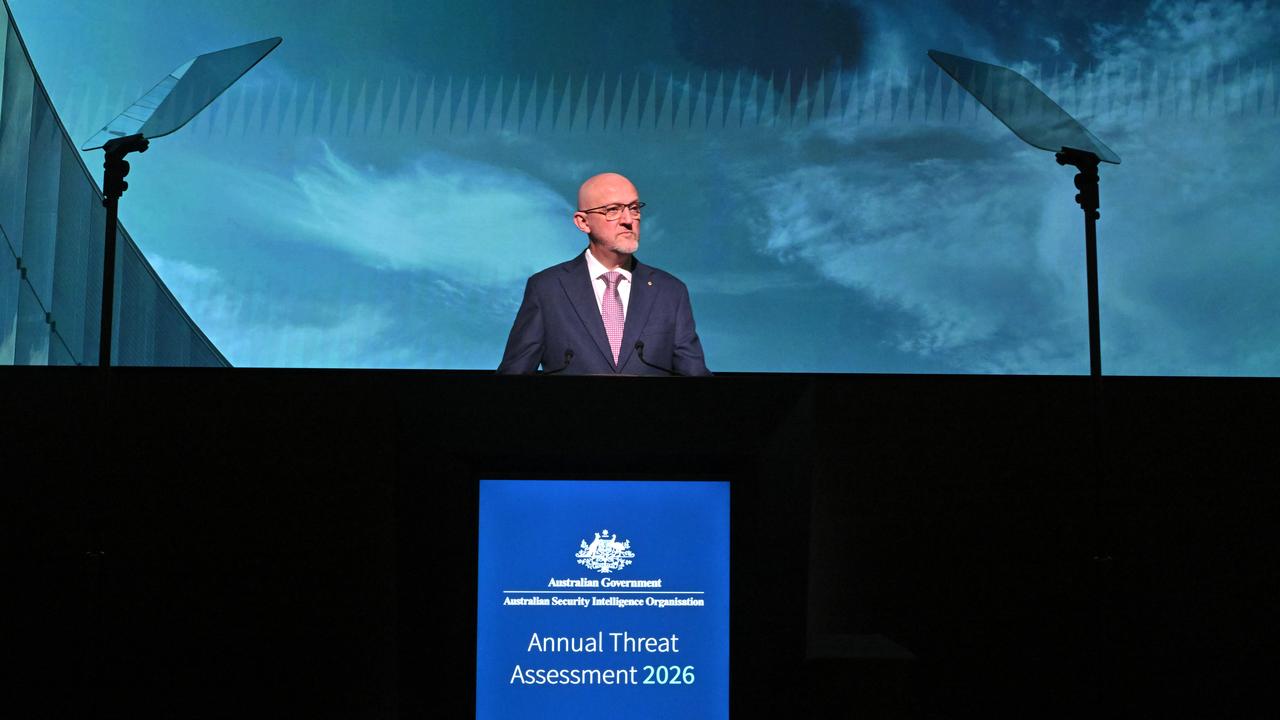
In his annual threat assessment on Wednesday evening, ASIO director-general Mike Burgess warned acts of politically motivated violence were becoming more likely, but said the terror threat level of "probable" does not tell the full story.
A review involving ASIO and departmental officials was afoot to ensure Australia's intelligence agencies could communicate accurate information about emerging threats, Home Affairs Minister Tony Burke said.
"The thing that matters is making sure that the Australian people, but also all the law enforcement agencies, get the best possible information," he told ABC Radio on Thursday.
The government was considering adding more gradations to the current four-tier threat level system, along with different descriptions of risks, Mr Burke said.
The nation's terrorism threat level is probable, meaning there is a greater than 50 per cent chance of an onshore attack, or attack planning in the next 12 months.
But Mr Burgess said the level "does not tell the full story".
"I do not believe the system was designed for a situation like the one we now face," he said.
The spy chief said he could only raise the threat level from "probable" to "expected" if he had intelligence about a specific attack, which he said ASIO did not have at this stage.
"I'm concerned about the temperature and trajectory, so within the band of probable, the increase for violence has actually happened... and that concerns me," Mr Burgess told ABC Radio.
A minute's silence was held ahead of Mr Burgess' address, for the victims of Australia's worst ever terror attack at Bondi, which targeted Jewish Australians.
People attending the speech in Canberra - which included senior defence force officers, federal police and politicians - were shown a video which collated several news reports depicting fraying social cohesion in Australia.
It showed pro-Palestinian protesters clashing with police, the march over the Sydney Harbour Bridge, white nationalists, neo-Nazis and the aftermath of the Bondi terror attack.
As the royal commission into anti-Semitism examines intelligence agencies in the aftermath of the Bondi attack, Mr Burgess said even as surging espionage and foreign interference demanded more attention "countering terrorism remained a priority".
"We increased CT (counter terrorism) resourcing when we raised the threat level in 2024 and it continued to grow in the months before Bondi," he said.
"Resourcing followed the threat."
He also revealed an Australian based in Iran and an ex-resident now in Iraq masterminded firebombings of a Jewish deli in Sydney and a synagogue in Melbourne.
ASIO has foiled 31 major terrorism plots since 2014, with Mr Burgess revealing 14 cases since the Bondi attack last December have been resolved.
The address was "typically sobering" but not surprising, opposition defence spokesman James Paterson said.
"Frankly, it's remarkable that the Islamic Republic of Iran, and particularly the Islamic Revolutionary Guard Corps, hasn't already killed an Australian," Senator Paterson told Sky News.
"I fear that this malignant regime will cost the life of an Australian because it has the capability, and the intent, and the means of doing so."