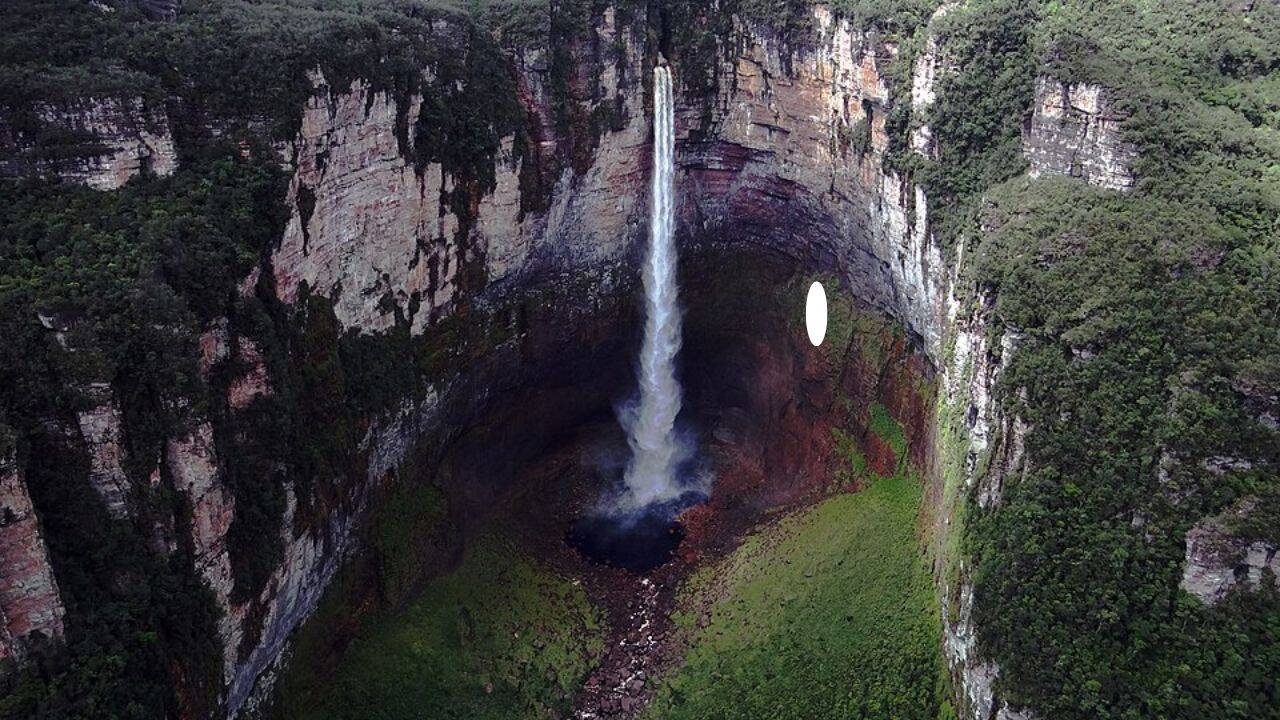
Waterfalls are often measured in different ways. Some are known for the volume of water they carry, others for their width, and a few for the sheer distance water travels before reaching the ground. Because of those differences, deciding which waterfall deserves the title of the world's tallest is not always as straightforward as it appears.
For decades, one name has dominated that discussion. Hidden within the remote landscapes of southeastern Venezuela, a waterfall plunges from a towering sandstone plateau and disappears into rainforest far below. Its setting is so isolated that reaching it still requires a journey through wilderness that remains largely unchanged from the time when the falls first became known to the wider world.
Get breaking news anytime, anywhere. Download the TOI app now!
Where is the tallest waterfall in the world located
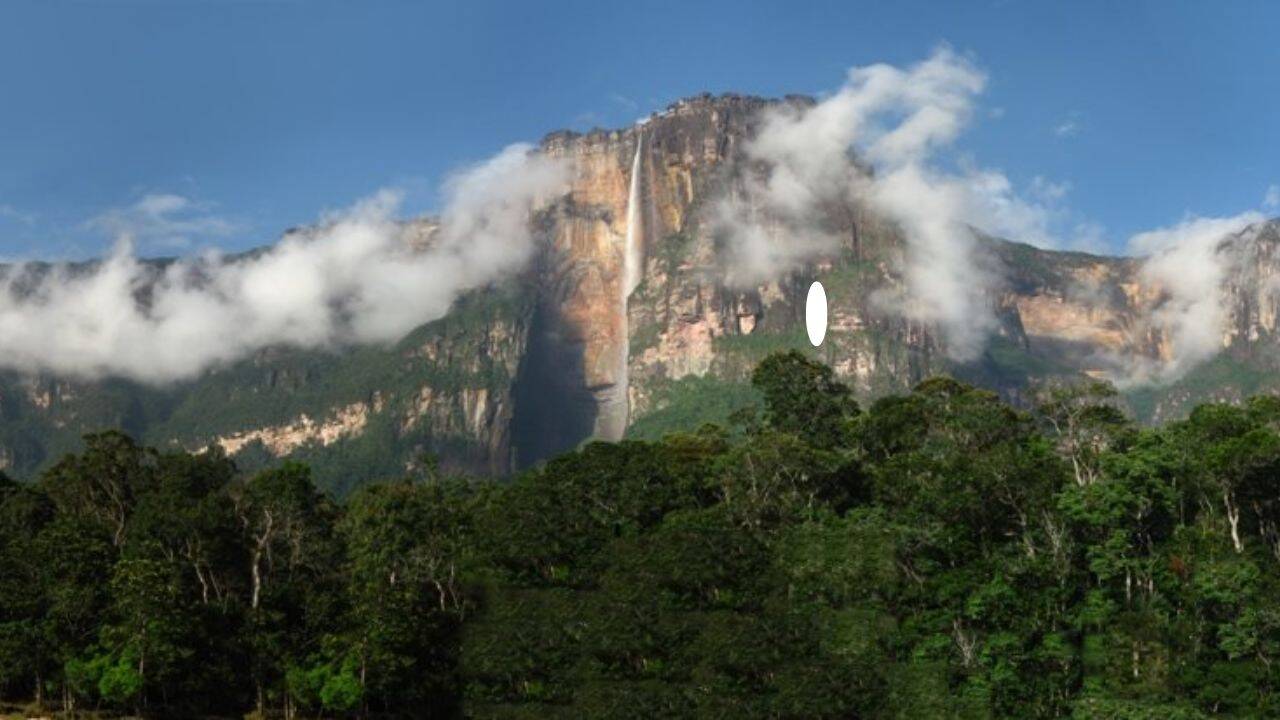
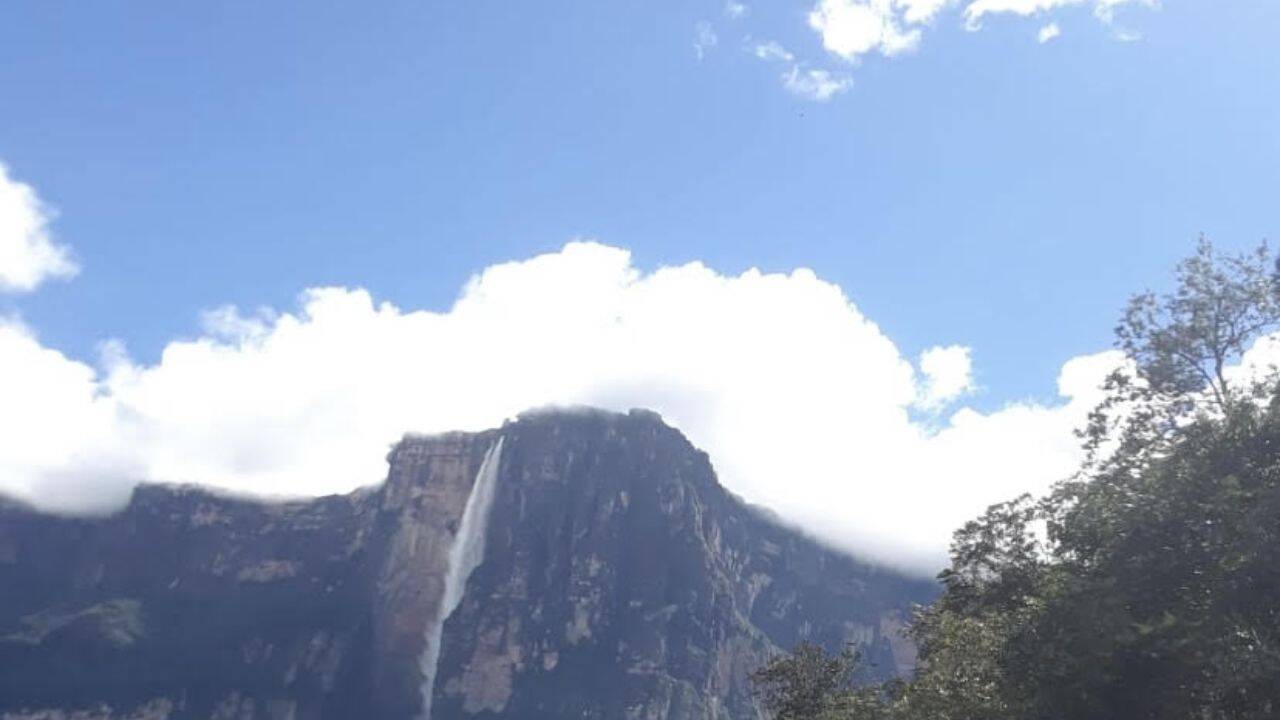
According to Guinness World Records, the tallest waterfall on Earth is Kerepakupai Merú, also widely known as Angel Falls. It descends from Auyán Tepui, one of the immense table-top mountains that rise above the forests of Venezuela's Canaima National Park.
The waterfall has a recorded total height of 979 metres. What makes it particularly remarkable is the length of its uninterrupted plunge. Water falls for around 807 metres before striking lower rock formations and continuing its journey toward the river system below. From a distance, the falling water often appears almost weightless, breaking into mist long before it reaches the ground.
The name Kerepakupai Merú comes from the Indigenous Pemón people who have lived in the region for generations. Long before international explorers arrived, the waterfall was already part of the local cultural landscape and carried its own traditional identity.
How the tallest waterfall in the world got the name ‘Angel Falls’
Outside Venezuela, the waterfall became famous through an unexpected connection to aviation. Its commonly used English name originates from Jimmie Angel, an American pilot who flew over the area during the early 1930s.
His flights helped draw international attention to the remote tepui region, and over time, the waterfall became widely known as Angel Falls. The name persisted in maps, guidebooks and travel literature, even though the Indigenous name remains important within Venezuela and has gained greater recognition in recent years.
The falls are located in a region where dramatic cliffs, dense rainforest and isolated waterways shape the landscape. Their remote position contributed to the sense of mystery that surrounded them throughout much of the twentieth century.
The hidden ocean giant beyond the tallest waterfall in the world
There is another feature that dwarfs every terrestrial waterfall, though it cannot be seen from the surface. Beneath the waters of the North Atlantic lies the Denmark Strait Cataract, a vast underwater cascade situated between Greenland and Iceland.
Scientists estimate that cold, dense water drops more than 3.5 kilometres as it flows between different ocean layers. The scale of this underwater descent is far greater than any visible waterfall on land.
Despite its immense dimensions, the Denmark Strait Cataract is generally excluded from records relating to conventional waterfalls because it exists entirely beneath the ocean. For that reason, Kerepakupai Merú continues to hold recognition as the tallest waterfall visible on Earth's surface.
According to Guinness World Records, the Venezuelan waterfall remains the official record holder, standing 979 metres high and maintaining a place among the planet's most remarkable natural landmarks.