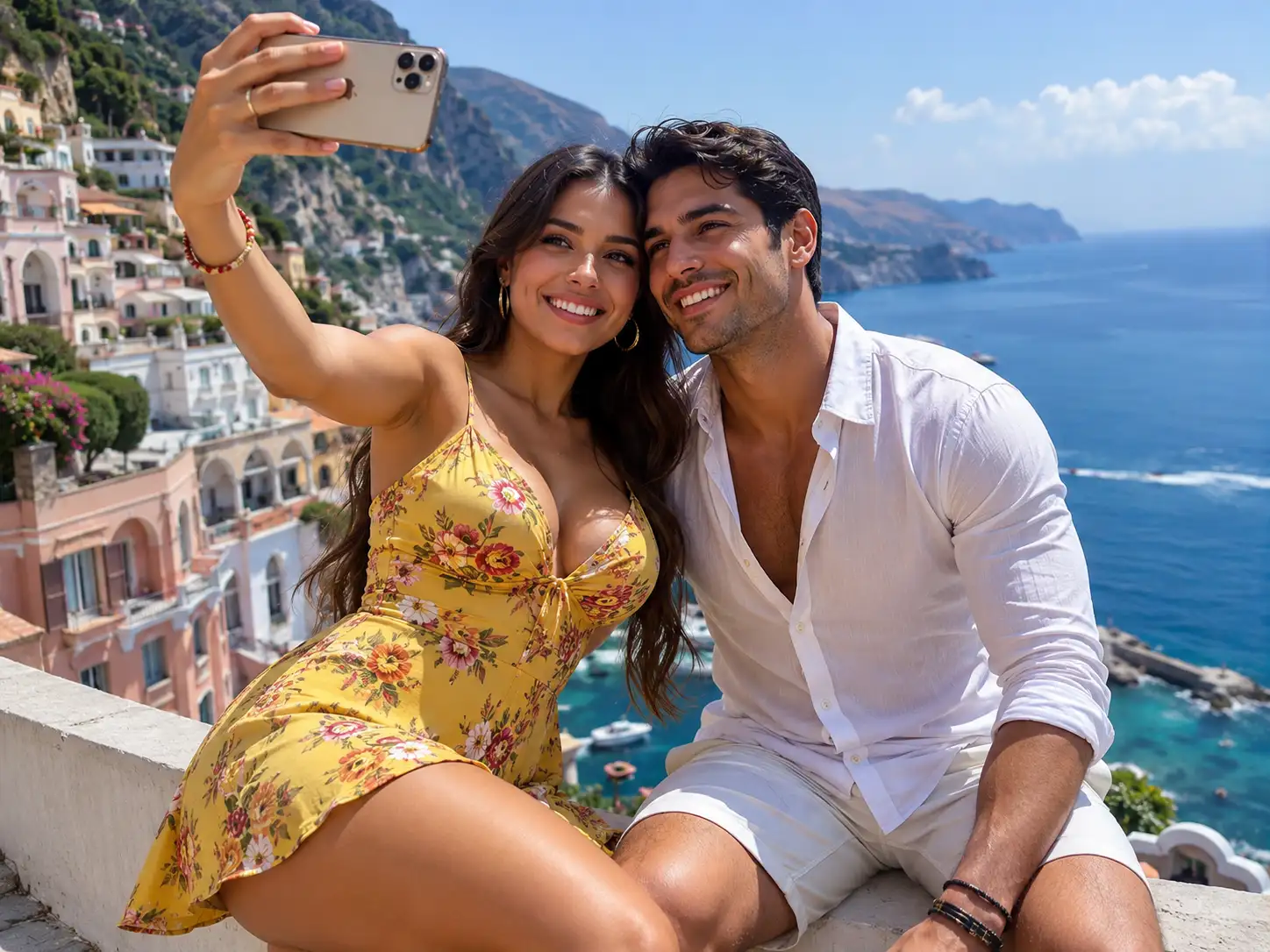
Psychology says women who love to take numerous photos on any outing or trip aren't always distracted from the moment. Many people believe taking too many pictures means someone is trying to show off on social media. However, psychological studies present a different picture. Researchers have found that photography can increase engagement, improve memory, and help people express personal experiences. Photos also become lasting reminders of meaningful moments and help maintain relationships through sharing experiences. While selfie behavior has its own psychological factors, taking many photos during a trip often reflects curiosity, storytelling, and a desire to remember important moments for years to come.
What psychology explains about frequent photography during outings?
Psychology says women who love to take numerous photos on any outing or trip aren't simply interested in collecting pictures for social media. Research suggests that photography becomes part of how people experience an event.
Many psychological studies have shown that taking photographs encourages people to pay closer attention to their surroundings. Instead of walking through a place without noticing details, photographers often observe buildings, landscapes, people, food, and activities more carefully before pressing the camera button.
Researchers explain that photography becomes an active activity instead of a passive one. It requires choosing angles, framing images, and deciding what deserves to be remembered. This process increases involvement with the environment instead of reducing it.
What psychology says?
Psychological research challenges the common belief that taking many pictures means someone is disconnected from reality. Studies published in the Journal of Personality and Social Psychology found that people who actively take photographs during activities often report greater enjoyment than those who simply observe without taking pictures.
Researchers believe photography encourages people to remain mentally involved because they constantly search for meaningful moments worth capturing. Rather than reducing attention, photography often increases awareness of the surroundings. This explains why many travelers naturally reach for their cameras throughout an outing.
Why people enjoy documenting experiences?
Psychologists have identified several reasons why women and many other people enjoy taking numerous photographs while traveling. One important reason is memory preservation. Human memory changes over time. Photographs create visual reminders that help people recall events, emotions, conversations, and locations years later.
Experts describe photographs as bridges between personal experiences and future memories. Instead of relying only on memory, people use images to revisit important moments. Photography also becomes a form of personal storytelling. Each picture records part of a larger experience. Later, these images help individuals reconstruct their journey from beginning to end.
Better engagement with surroundings
Research suggests photography increases attention to detail. Someone taking pictures often notices lighting, colors, architecture, landscapes, cultural details, and small moments that others may overlook. This process requires active observation.
Instead of simply passing through a destination, photographers interact more deeply with the environment. Researchers believe this creates stronger memories because the brain processes more information while searching for meaningful photographs. The experience becomes richer through observation rather than simple sightseeing.
A visual record of personal memories
Psychologists explain that photographs are more than digital files. They become personal memory collections. Many women describe photographs as reminders of feelings rather than just places.
Looking at old travel pictures often brings back conversations, laughter, emotions, and experiences that may otherwise fade with time. This makes photography an important emotional tool rather than only a hobby. Many families also pass photographs across generations, preserving shared memories.
Building social connections
Modern photography is closely connected with communication. Sharing photographs with family members, friends, and online communities allows people to include others in their experiences. Researchers say this strengthens relationships because shared positive experiences often encourage conversations.
Photos also help maintain long-distance friendships. Instead of simply saying a trip was enjoyable, people can visually explain what they experienced. Images become another language for communication.
The difference between travel photos and selfies
Psychology also separates general travel photography from frequent selfie posting. Research published in journals such as Psychology of Popular Media suggests that posting many selfies can sometimes relate to appearance-based self-worth or seeking external validation.
However, researchers also stress that this does not apply to everyone. Many people simply enjoy documenting their appearance during memorable moments. Social expectations, beauty standards, and cultural influences often shape selfie behavior more than personality traits. Therefore, experts caution against judging someone's character based only on selfie frequency.
Does frequent photography mean someone is insecure?
Many online discussions claim that people who constantly take photographs are insecure. Current psychological research does not support such broad conclusions. Experts say human behavior is influenced by many different motivations.
Someone may take photographs because they enjoy photography, wish to preserve memories, communicate experiences, appreciate beauty, or simply enjoy creative expression. Without understanding an individual's motivation, it is impossible to accurately judge their personality from photo-taking habits alone. Psychologists recommend avoiding simple labels for complex behaviors.
What can people learn from this behavior?
There are several lessons people can take from these psychological findings. Photography can encourage mindfulness by making people pay closer attention to their surroundings. It reminds people to preserve meaningful memories rather than allowing experiences to disappear with time.
The research also shows the importance of avoiding quick judgments about others. A behavior that appears attention-seeking may actually represent curiosity, creativity, emotional expression, or memory preservation. Understanding the reasons behind actions helps people become more accepting and less judgmental.
Life lessons from the research
Psychology shows that everyday habits often have deeper meanings than they first appear. Taking photographs can strengthen memories, increase engagement, encourage observation, and improve communication with others. The research also reminds people that technology does not always distract from experiences.
When used thoughtfully, photography can actually make people more involved in what they see and feel. Rather than assuming someone is showing off, it may be more accurate to recognize that they are building a personal story that they can revisit throughout their lives.
FAQs
Q1. Psychology says women who love to take numerous photos on any outing or trip aren't always showing off. Why do they take so many pictures?
Research says photography helps preserve memories, increase attention to surroundings, build social connections, and create personal stories. Many people take pictures because they want lasting reminders of meaningful experiences.
Q2. Does taking many selfies mean someone is insecure?
Not necessarily. Psychology says selfie behavior varies by individual. Some people seek validation, while many simply enjoy documenting memories, expressing themselves, or participating in social sharing without insecurity.