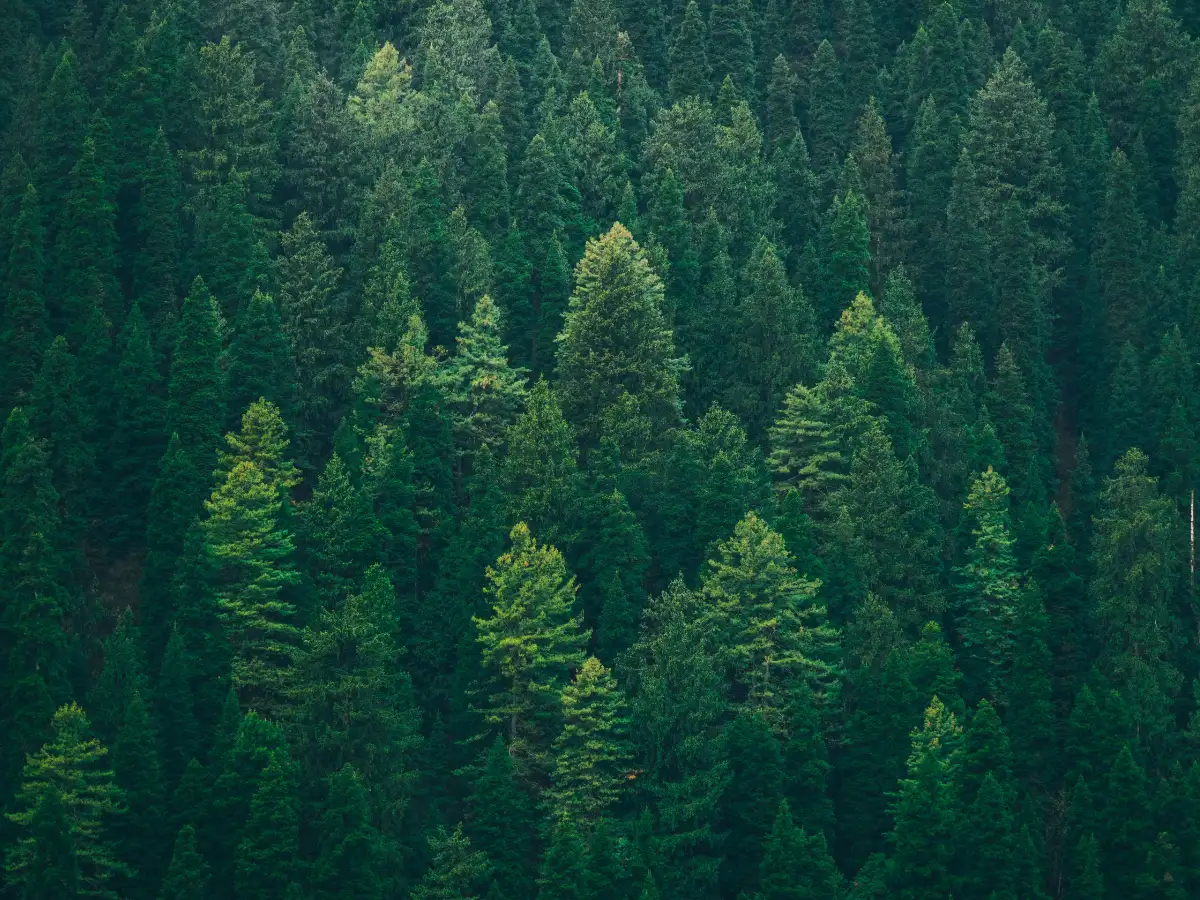
During the 1930s, Italy’s government launched a sweeping reforestation effort in the Prealps region near Lake Como, at the foothills of the Alps, planting fast-growing Norway spruce on land that had been pasture and meadow for centuries. It was a conscious decision, made mainly to answer the demand for timber, but it did not involve much ecological thinking. Now, 90 years later, a new study has gone back to measure what that decision actually did to the landscape, and the results are not flattering.
According to the study, ‘Long-Term Ecological Impacts of Norway Spruce Plantations on Biodiversity and Microhabitat Conditions’ published in the journal Ecosystems by researchers at the University of Milan and the University of Lausanne, scientists compared century-old spruce plantations to nearby native deciduous forests and mountain grasslands at two sites in Italy’s Prealps.
The study found that plant diversity in spruce plantations was 50.3% lower than in nearby native forests and 74.5% lower than in the grasslands. The plantations have had close to a century to settle down and start acting like a proper forest, and they still haven't, according to the study.
Plant diversity took a huge hit and never recovered
In 2023, the researchers spent five months surveying plots of land across three habitat types: spruce plantations, native deciduous forests and grasslands. They counted all the plant species they could find, identified soil-dwelling insects and other arthropods caught in pitfall traps, and tested soil samples for acidity, carbon and nutrients.
The researchers' data indicated that a typical grassland plot contained a median of 37 plant species, a deciduous forest plot contained a median of about 18, and a spruce plantation plot contained a median of only 7.
Structurally, it appeared to be more than just a snapshot of that gap. The study found that when the researchers investigated which plant species were most representative of each habitat, the species in spruce plantations were not a separate community on their own. They were a smaller, nested subset of the species already present in native deciduous forests. Put another way, they were a thinned-out, impoverished version of the forest next door, not a truly different ecosystem. Researchers suggest one likely driver is the loss of early-blooming plants. The spruce is evergreen, and blocks sunlight from reaching the forest floor year-round, but native deciduous trees drop their leaves in winter, letting a burst of spring light reach the forest floor so wildflowers and other early bloomers can thrive before the canopy fills back in. Spruce never opens that window for the forest floor.