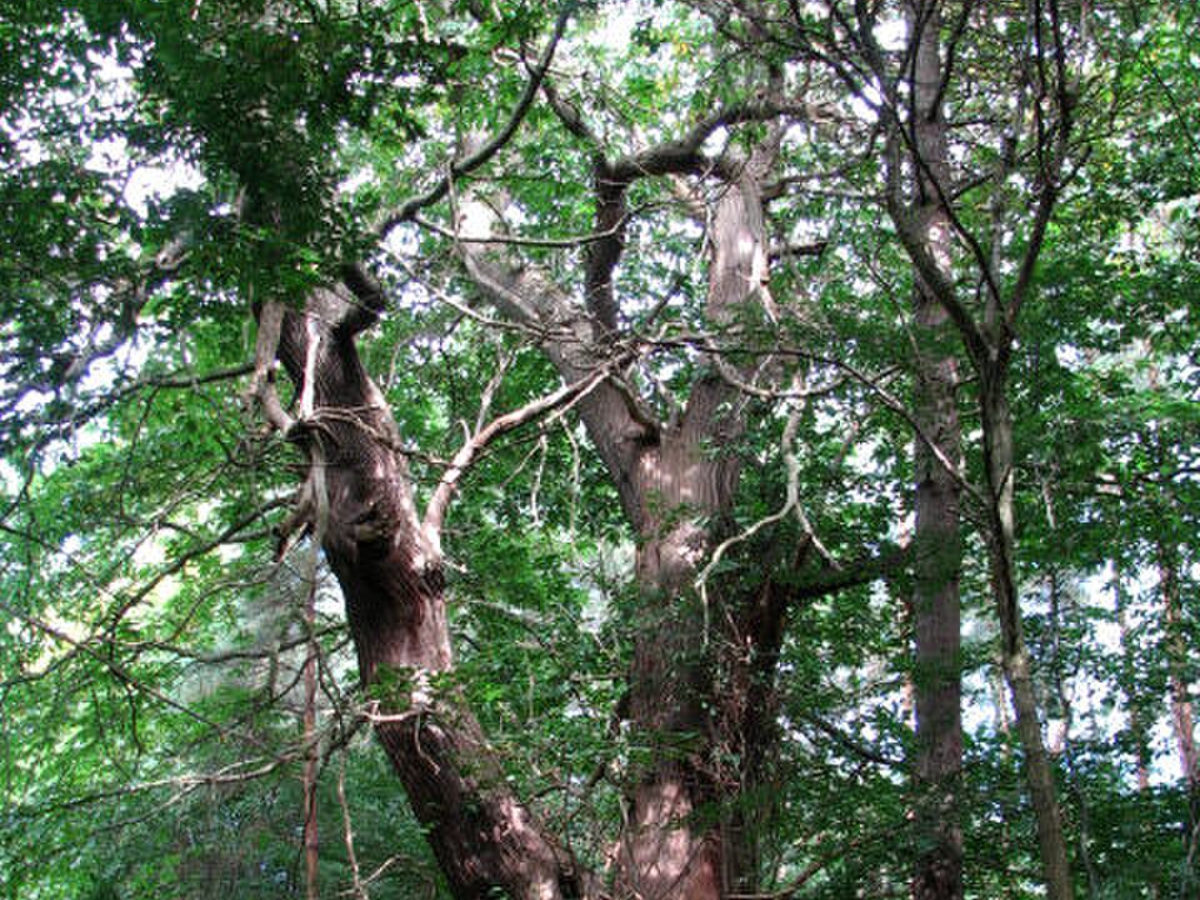
During the early 20th century, the American chestnut was one of the most significant trees in the eastern part of the United States. This tree grew from Maine to Georgia and occupied a large share of the forests in that region.
Get breaking news anytime, anywhere. Download the TOI app now!
According to The American Chestnut Foundation (TACF), in parts of the eastern United States, the American chestnut made up nearly 25 percent of hardwood forests. The timber of the American chestnut was very durable and resistant to decay. The nuts produced annually by the tree were an important source of nutrition for animals.
However, within a couple of decades, one of the most recognisable trees of North America was on the verge of extinction due to the presence of a microorganism called a fungus.
The epidemic that started in New York
It all began back in 1904 at the New York Zoological Park, which is presently referred to as the Bronx Zoo.
According to a review in Molecular Plant Pathology, available through PubMed , chestnut blight was first reported in 1904 on American chestnut trees at New York City's Zoological Park. Scientists later identified the cause of the epidemic as Cryphonectria parasitica, a fungus native to Asia.
The fungus had long been present in Asia. Chestnuts in Asia had coexisted with it for millennia, developing a certain resistance to it. This was not true of the American chestnuts, which had never been exposed to the organism before.
Transmission of a novel fungal strain within an entire continent
Scientists have postulated that the disease may have entered North America via the transport of nursery stock.
According to the Molecular Plant Pathology review, historical accounts and molecular studies point to a primary introduction of the pathogen from Japan. Once introduced into the continent, it rapidly spread.
It is noted that the blight progressed in the native range of the American chestnut tree at a rate higher than 30 kilometres per year.
It infects the tree’s bark, resulting in the formation of cankers, which slowly kill the tree by interrupting the transportation of water and nutrients within it. Since the American chestnut was widely distributed, the disease encountered few geographical obstacles as it advanced into the southern and western regions.
An unprecedented catastrophe of almost unbelievable magnitude
The consequences were devastating.
According to TACF , nearly four billion American chestnut trees flourished in eastern North America before chestnut blight devastated the species and virtually wiped it out as a major forest tree by about 1950.
Reports estimate that four billion trees fell victim to the fungus.
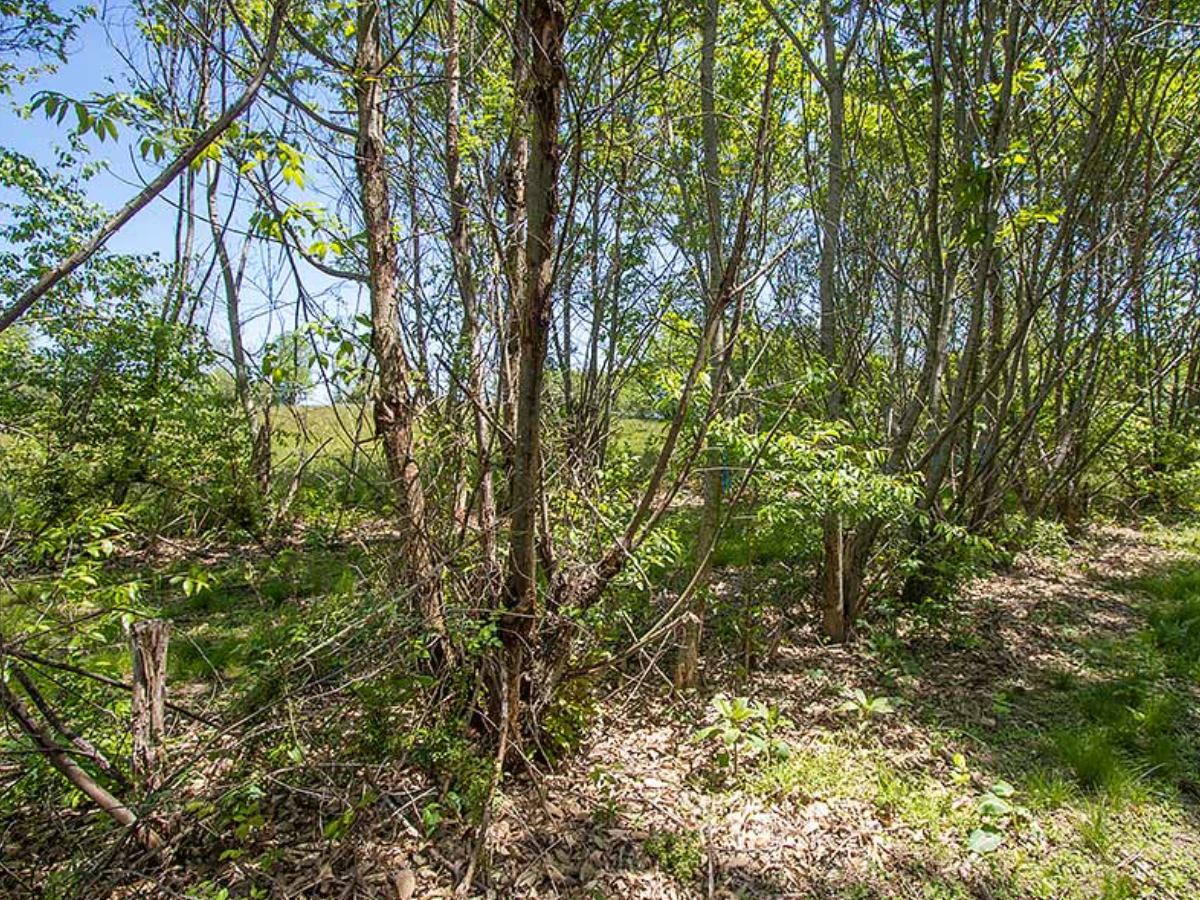
The rapidity of the destruction took both scientists and foresters by surprise. Molecular Plant Pathology cites this fact while discussing the epidemic; that is, in the span of about 50 years, the American chestnut had been reduced from a dominant forest tree to one surviving mostly in the form of sprouts below the forest canopy.
Landscape transformations became evident when chestnut trees were gone from the forests where they were once the dominant tree.
More than just a tree
The impact went beyond the forests.
Chestnut wood was extensively used in building construction and for furniture, fences, railroad ties, and utility poles. Chestnuts also helped provide jobs for rural areas, and their nuts were an economic resource for the region. Chestnut loss affected forest ecology as well. TACF says that chestnuts supplied reliable annual nut crops that nourished animals throughout eastern North America. The loss of chestnuts disrupted the diets of many animals and changed interactions within the forests.
However, the disease did not kill off the species entirely. The fungus kills the tree above ground and leaves the roots intact. New growth comes up from the roots of the trees, but the sprouts do not survive due to infection.
Thus, one can find American chestnuts now, although they would be mostly small sprouts instead of mature trees.
Can the American chestnut be revived?
More than a century after chestnut blight was first reported, efforts to revive the species continue.
Scientists and conservation organisations have been looking for years for techniques for resurrecting the species. One main approach has been crossbreeding American chestnuts with blight-resistant Asian chestnuts, then repeatedly crossing the offspring back with American chestnuts over many generations to preserve the tree's natural traits.
According to the Molecular Plant Pathology review, the breeding programs are still a primary means that scientists use for restoring the resistance in American chestnut populations.
Although there has been much effort, the process has not been easy. It is a difficult process to revive a species that was abundant in numbers.
A warning that still resonates today
The downfall of the American chestnut remains one of the most striking examples of how an introduced pathogen can transform an ecosystem.
What began with the arrival of a fungus on imported plant material in the early 1900s ultimately changed forests across an entire region. Within a single human lifetime, a tree that had shaped eastern North America for centuries was reduced to scattered survivors.
More than 120 years after the disease was first discovered at a New York zoo, the American chestnut’s story continues to serve as a reminder of how vulnerable even the most dominant species can be when confronted with an unfamiliar threat.
A warning message is still relevant today
One of the most striking illustrations of how a newly introduced disease agent can alter an entire ecosystem is that of the decline of the American chestnut.
Starting from a fungus introduced through plant material brought into the country in the early 1900s, what eventually occurred was a major transformation of the forest ecosystem over one generation, from one shaped by a dominant tree species to one without it.
Nearly 120 years after the discovery of this disease in a zoo in New York, the tale of the American chestnut persists as a powerful message about the vulnerability of even dominant species facing an unknown disease.