Parents often expect schools to be the first place where developmental concerns are recognized, but that does not always happen. While many educators work hard to support students with autism, some families report that concerns are minimized or attributed to behavior, anxiety, or immaturity instead. This can delay evaluations, accommodations, and the services that help children succeed both academically and socially. Understanding why autism diagnoses are sometimes downplayed in schools can help parents advocate more effectively for their children.
Schools and Medical Diagnoses Are Not the Same Thing
One of the biggest misunderstandings is that schools do not provide medical autism diagnoses. Instead, schools determine whether a student qualifies for special education services under educational eligibility rules, which are different from a clinical diagnosis made by a psychologist or developmental pediatrician. A child may have a medical autism diagnosis yet not qualify for certain school services, or a school may initially hesitate to recognize educational needs until more evidence is collected. This difference can leave parents feeling confused when they hear conflicting opinions from educators and healthcare providers. Knowing that these are separate processes helps families better understand what each evaluation is designed to accomplish.
Why Autism Signs Can Be Missed or Minimized
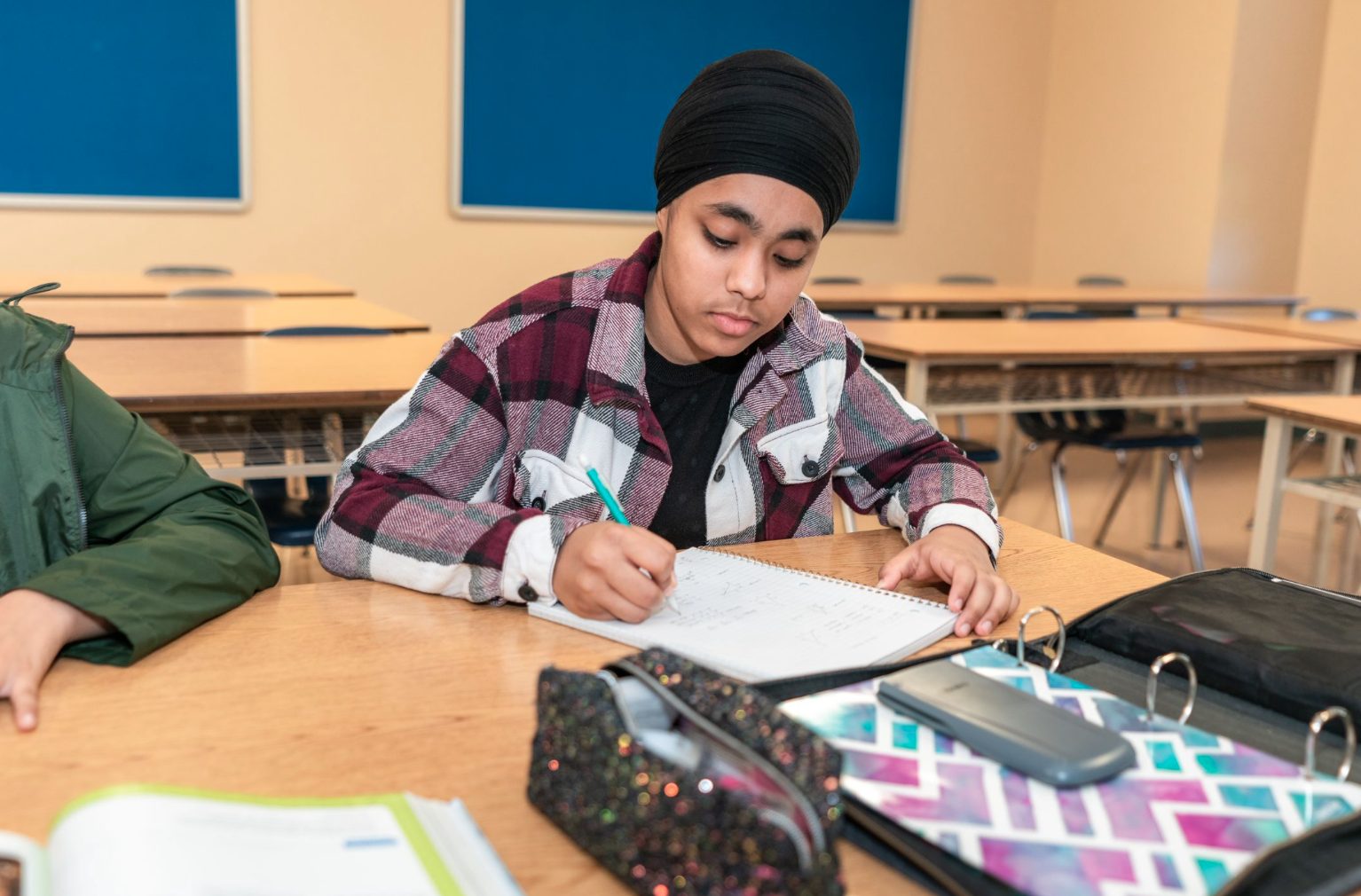
Autism does not look the same in every child, making identification more challenging than many people realize. Some students perform well academically while quietly struggling with communication, sensory sensitivities, or social interactions that are less visible in the classroom. Girls, children with high verbal abilities, and students who have learned to mask autistic traits are especially at risk of being overlooked. Teachers may reasonably interpret these behaviors as shyness, attention difficulties, or anxiety before recognizing a broader developmental pattern. Although most educators act in good faith, limited training or large class sizes can make subtle signs easier to miss.
Delayed Recognition Can Affect Long-Term Success
When autism is not recognized early, students may miss valuable interventions that strengthen communication, emotional regulation, and executive functioning skills. Research continues to show that earlier identification often leads to earlier support, improving educational and social outcomes over time. The latest surveillance data found that approximately 1 in 31 eight-year-old children in the United States had been identified with autism, while younger children are being recognized earlier than previous generations because of improved awareness and screening. Even so, significant differences remain between communities, showing that access to evaluations and support is not equal everywhere. A delayed educational response can increase frustration for students who already know they experience the world differently.
What Parents Can Do If Concerns Are Dismissed
Parents should trust consistent observations rather than waiting for problems to become severe before seeking answers. If concerns continue after conversations with teachers, requesting a formal school evaluation in writing creates a documented process that schools are generally required to address under federal special education law. Families can also pursue an independent clinical evaluation if they believe additional expertise is needed. Keeping records of report cards, teacher communications, behavioral patterns, and outside evaluations often strengthens discussions with school teams. Working collaboratively while remaining persistent usually produces better outcomes than assuming either the school or the family is entirely correct.
A Strong Partnership Makes the Biggest Difference
The goal should never be to blame schools or parents for missed autism signs because identifying developmental differences is often complex. Most educators genuinely want students to succeed, and many schools have improved autism awareness dramatically over the past decade. At the same time, parents know their children better than anyone else and should feel confident speaking up when something seems wrong. Open communication, timely evaluations, and evidence-based support create the best opportunity for students to reach their full potential. Every child deserves to be understood for who they are rather than expected to fit a single definition of success.
What has your experience been with autism evaluations or school support? Share your thoughts in the comments and join the conversation—your story may help another family facing similar challenges.
What to Read Next
How to Respond When a School Delays an Autism Evaluation
The Late Diagnosis Wave: 5 Autism Signs Often Missed Until Middle School
The Hidden Costs of an Autism Diagnosis: 7 Expenses Families Face
The post How Autism Diagnoses Are Sometimes Downplayed in Schools appeared first on Kids Ain't Cheap.