WIDELY condemned Home Office plans to house up to 300 asylum seekers at a barracks in Inverness have been scrapped, according to the local MP.
In October last year, the scheme was first announced and people were expected to move in by early December but the plans were delayed amid backlash.
But Angus MacDonald, the local Lib Dem MP for Inverness, Skye and West Ross-shire, has now claimed that UK Border Security Minister Alex Norris has confirmed the plans have been dropped.
"This is the right outcome, and it is a result of the strength of feeling shown by residents, and by the military families connected to Cameron Barracks who made their concerns heard from the very start,” MacDonald said.
"There was also a strong local feeling that the site itself was simply too close to the city centre, schools and residential areas.”
The announcement last year by the UK Government was part of a vow to end the use of hotels to house asylum seekers by the end of this Parliament.
The Scottish Greens, however, described the plans at the time as "abhorrent".
“Labour’s plans to warehouse people seeking refugee protection in barracks is absolutely abhorrent," MSP Maggie Chapman said.
“This is another Labour proposal ripped out of Reform’s playbook – designed to do the most harm possible to people seeking asylum."

She added: “Forcing people who have fled war, persecution and violence – including children – into isolated, institutional accommodation will do nothing to improve housing or community relations, and will do everything to help private companies line their pockets with more cash.”
Highland Council also expressed alarm over the plans, with its leader writing to the Home Secretary Shabana Mahmood last year to request additional information.
Charities, meanwhile, also hit out at the move, describing it as “cruel” and highlighting the “devastating” impact the approach has had before.
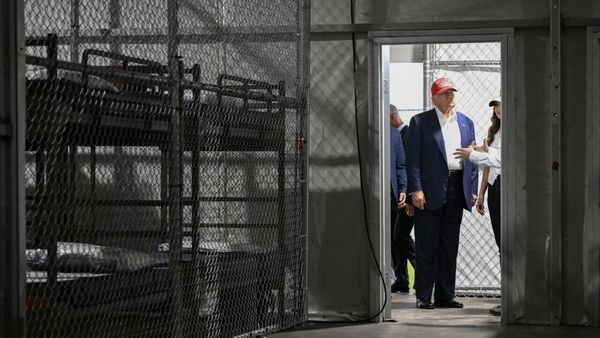
“Our medical teams have seen first-hand the devastating impact of this approach at RAF Wethersfield in Essex — where prison-like conditions, barbed wire, and constant surveillance caused widespread and serious psychological distress,” Jacob Burns, UK migration operations manager for Médecins Sans Frontières/Doctors Without Borders (MSF), said.
“Over 60% of our patients there experienced severe mental distress and nearly a third reported suicidal thoughts.”
The Home Office have been approached for comment.