
A billion more people are now exposed to dangerous levels of heat stress than they were in the 1970s, scientists have found, with Africa experiencing the highest frequency of “strong heat stress” days globally thanks to extreme temperatures.
The findings, published in Nature Climate Change, come as the UK and Europe endure an intense heatwave riven by a surge of hot, dry air originating from North Africa.
Researchers warned that dangerous heat is no longer confined to traditionally hot regions and that rising overnight temperatures leave millions without relief, posing risks to human health.
"This isn’t something we’re still waiting to happen in the future," Rebecca Emerton, a senior climate scientist at the European Centre for Medium-Range Weather Forecasts and the study’s lead author, told The Independent. "These are quite substantial changes that have already happened in recent decades."
Researchers found that the proportion of the world’s population exposed to at least one day of extreme heat stress each year has risen from 16 per cent to 22 per cent since the 1970s, equivalent to around one billion additional people.
Using a measure that incorporates humidity, wind and radiation as well as temperature, the team found heat stress was becoming more severe, lasting longer and affecting more people across much of the world.

“We’re seeing maximum ‘feels like’ temperature values in some places four or five degrees above what they would have seen in the 1970s,” Ms Emerton said.
The UK and Europe have sweltered under record-breaking temperatures this week, with dozens drowning in France as temperatures hit 43C. Tempertaures of 37C or 38C are forecast in southern England for Wednesday, with the Met Office issuing a red warning for extreme heat.
It has disupted events at London Climate Action Week, one of the world’s biggest gatherings of green campaigners, with organisers saying some of the approximately 1,000 events planned across the capital have been called off due to “one of the hottest periods ever” in the country.
One of the study’s most striking findings was that the hottest nights are warming faster than the hottest days. Scientists say this poses a significant health threat because the human body relies on cooler night-time temperatures to recover from heat accumulated during the day.
"If the nights are staying too warm, your body just doesn’t have that chance to recover and the heat stress just builds and builds,” Emerton said. “If the nights stay very warm, you might lose sleep, and if you lose sleep, it’s also limiting your ability to recover during the next day.”
Heat stress occurs when the body can no longer effectively cool itself, causing core temperatures to rise and placing strain on vital organs. Symptoms can range from dizziness, cramps and exhaustion to potentially fatal heat stroke.
Extreme heat can also worsen existing cardiovascular, respiratory and mental health conditions.
Regions such as southern Europe, northern and southern Africa and parts of North America now experience up to 50 additional days annually with "strong to extreme heat stress".
“We’re already seeing that heat stress is starting earlier in the year and ending later in the year, particularly in the Northern Hemisphere,” said Ms Emerton.
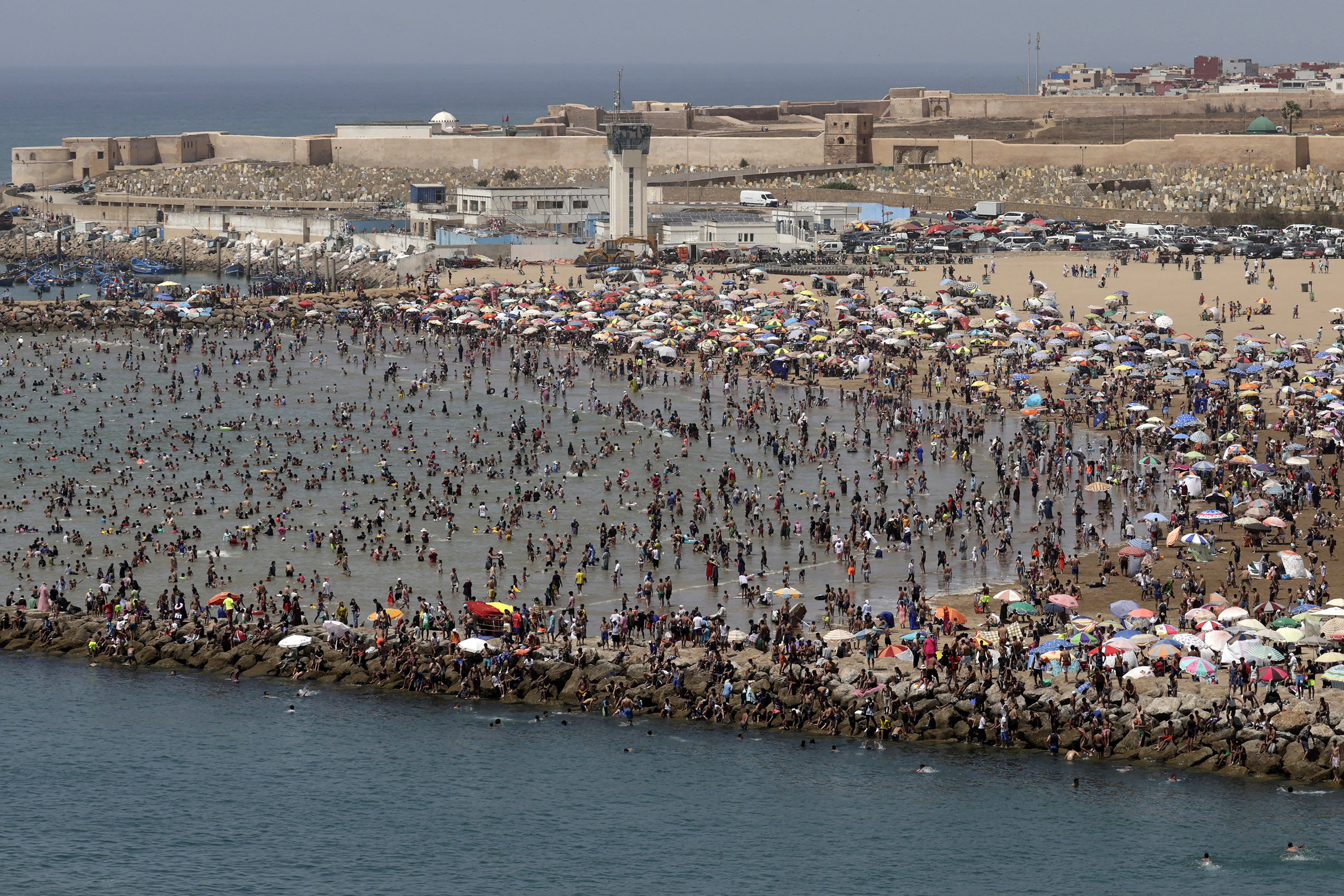
The researchers also found evidence of an “expanding footprint of heat stress”, with dangerous conditions increasingly appearing in places that historically experienced little exposure – like the UK.
Europe has seen some of the largest increases in maximum “feels like” temperatures since the 1970s and is the fastest warming continent, warming twice as fast as the global average.
Africa bears the greatest overall burden, however, with heat stress conditions occurring on around 70 per cent of days across the continent during the past decade, more than any other region examined.
Parts of eastern and southern Africa have seen particularly sharp increases, with some areas experiencing weeks or even months more heat stress each year than they did in the 1970s.
The findings raise concerns for countries with limited health infrastructure and resources to adapt, particularly as heat is already recognised as one of the leading causes of weather-related deaths worldwide.
It comes as cuts to international aid have weakened already fragile health systems in the continent, and hindered community-based resilient farming projects designed to withstand these temperature spikes. Extreme heat routinely wipes out agricultural labor, accounting for significant drops in GDP.
Ms Emerton said the research highlighted the need not only to reduce greenhouse gas emissions but also to prepare for a climate that has already changed.
"We already know heat stress is a leading cause of weather-related mortality," she said. "Our results show that that danger continues to increase."
This article has been produced as part of The Independent’s Rethinking Global Aid project