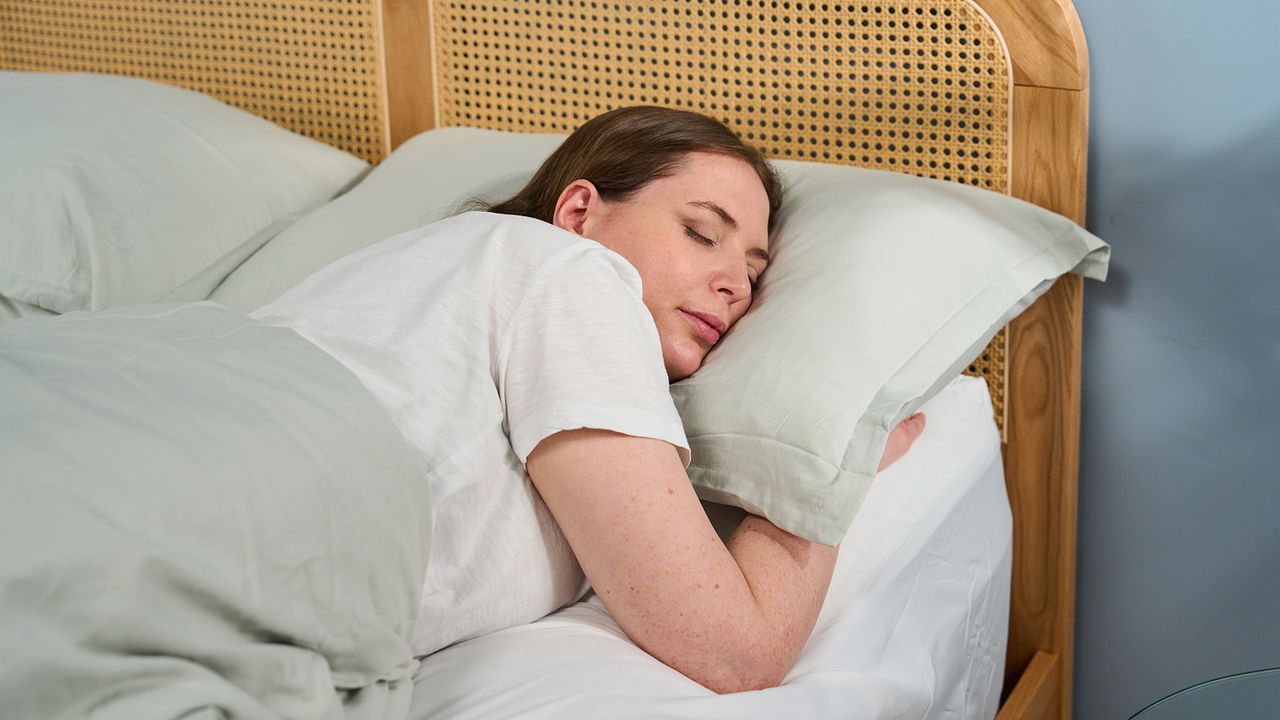
Temperatures are soaring, the Old Farmer's Almanac is predicting a "hotter-than-usual" summer for much of the US, and the UK is experiencing record-breaking heat. How are you meant to sleep with all that going on?
Here at Tom's Guide, we know a thing or two about struggling to sleep in the heat. In last year's heatwaves we were left restless, awake at 3 a.m. and trying every cooling sleep hack that drifted across our algorithm. This year, we're putting that pain to good use by curating the sleep tips that actually work and enjoying good rest even during the hottest nights of the year.
Below are the best of the best tips for sleeping in hot weather, tried, tested and approved by our sleep team. (Including hacks you can try out tonight, no purchase necessary.) So close your curtains, fill your ice cube maker, and enjoy sweet dreams of the Arctic Circle...
Key takeaways
- Use the caveman method: close the windows and curtains during the day to keep warm air out and open them up overnight to let cool air in.
- Feel cozy while sleeping cool: Dress your bed in a breathable top sheet to create a feeling of security without stuffiness.
- Go natural: Check the labels on your bedding and pajamas, then swap out synthetic fibers for natural fabrics such as cotton and bamboo.
- Harness any and all breezes: Place your fans facing an open window to create a cross breeze, or freeze a bottle of salt water and place it in the path of a desk fan to supercharge the cooling.
- Try the inverse hot water bottle hack: Half-fill your hot water bottle with water and freeze it. Place the frozen bottle by your feet for quick and effective cooling.
How to keep your bedroom cool in a heatwave: Expert tips
1. Try the 'caveman method'
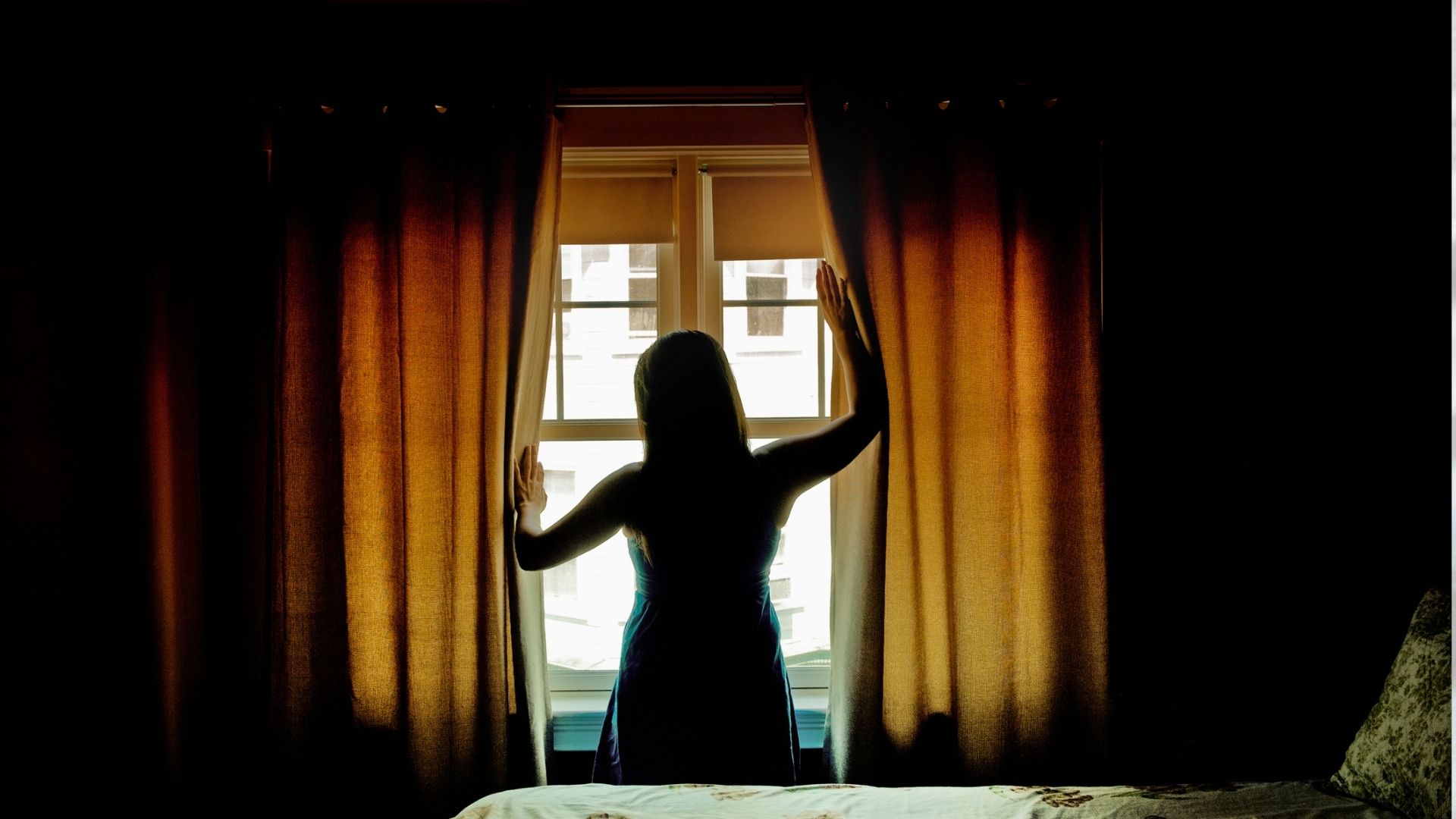
"Having spent seven swelteringly hot summers in Sydney, my number one sleep tip is to close your bedroom window, blinds and doors during the day.," says Nicola Appleton, Sleep Editor.
This is known as the caveman method (because caves are cold and dark — get it?) and while it might seem counterintuitive, it's one of the best ways to cool your house during a heatwave.
On a hot, still day an open window simply lets more unwelcome warmth into the house. Closing your windows and your curtains keeps any lingering coolness from the night inside the house, for you to soak up, while blocking out sweltering air.
2. Open your windows and curtains at night
There's an important step two to the caveman method...
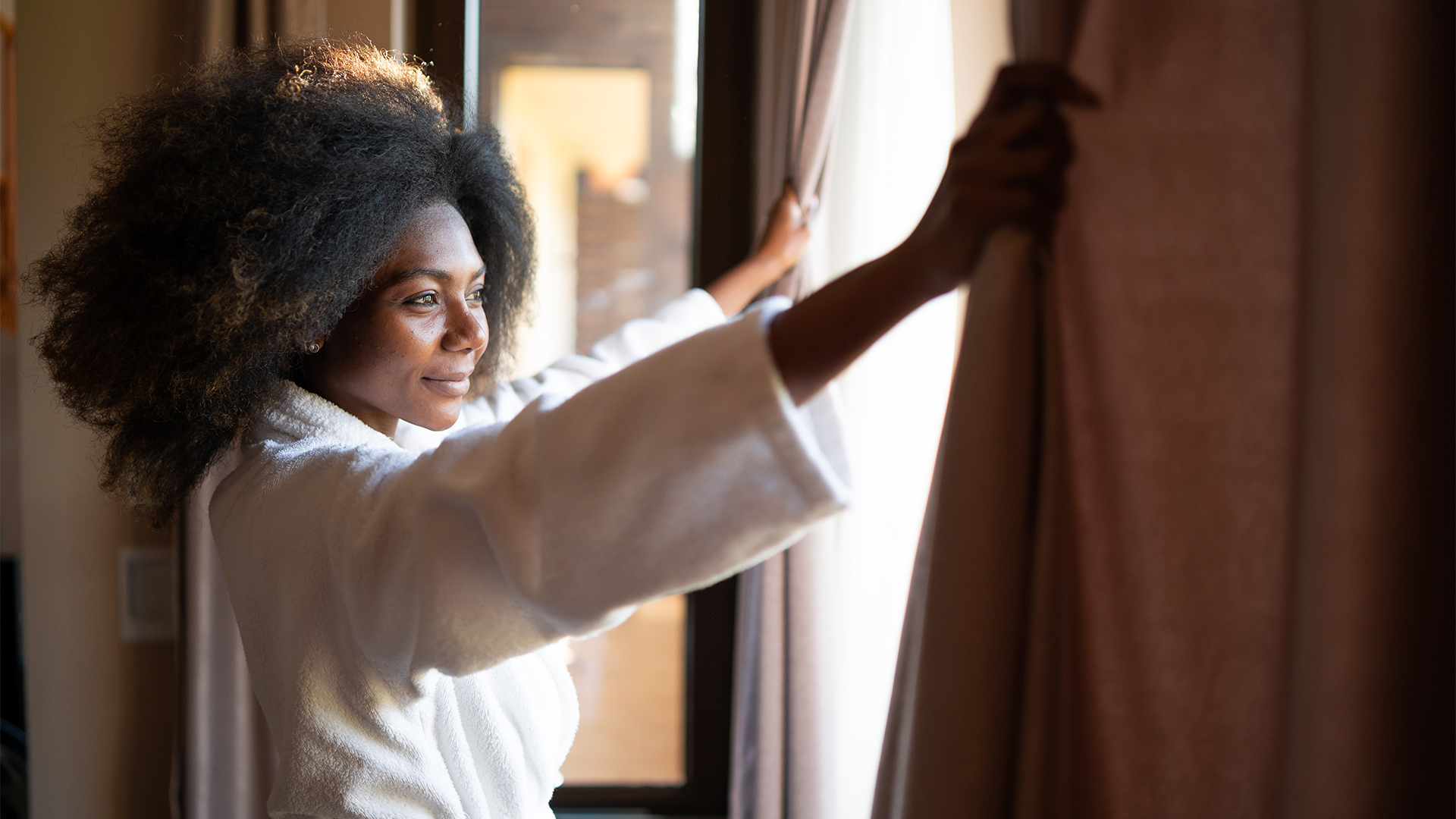
"When the outside temperatures drop lower than the indoor temperatures, open the window wide and allow the cool air to flow through," says Nicola. "And not just the window in your bedroom. Open windows on the opposite side of the house to create cross ventilation."
"I hate any light in my room when I'm sleeping but in a heatwave, I'll fling my curtains open at night to ensure lots of cool air can flow through," says Ruth Jones, Senior Sleep Writer. "I use an eye mask made of breathable materials to block out most of the light, so I get a comfortable balance of cool and dark."
Use your dual sash windows (if you have them)
“I used to live in a beautiful Victorian apartment with no AC but I did have dual-sash windows, and they were excellent for keeping my bedroom cool in summer," adds Claire Davies, Managing Editor of Sleep and Certified Sleep Science Coach.
“With these, you can open the window equally at the top and the bottom. Rising hot air gets sucked out the top of the window, and crisp, cooler air comes in the bottom, creating a natural convection current.”
3. The inverse hot water bottle rapid cooling hack
“I have a major issue with people putting their bed sheets in the freezer – mold on my mattress is just not worth it, thanks. But I do like the frozen hot water bottle trick when done correctly," says Claire.
“Here you fill a rubber hot water bottle with cold water to around halfway (if you fill it completely, the ice will expand and burst the hot water bottle), then lay it flat in the freezer for a few hours."
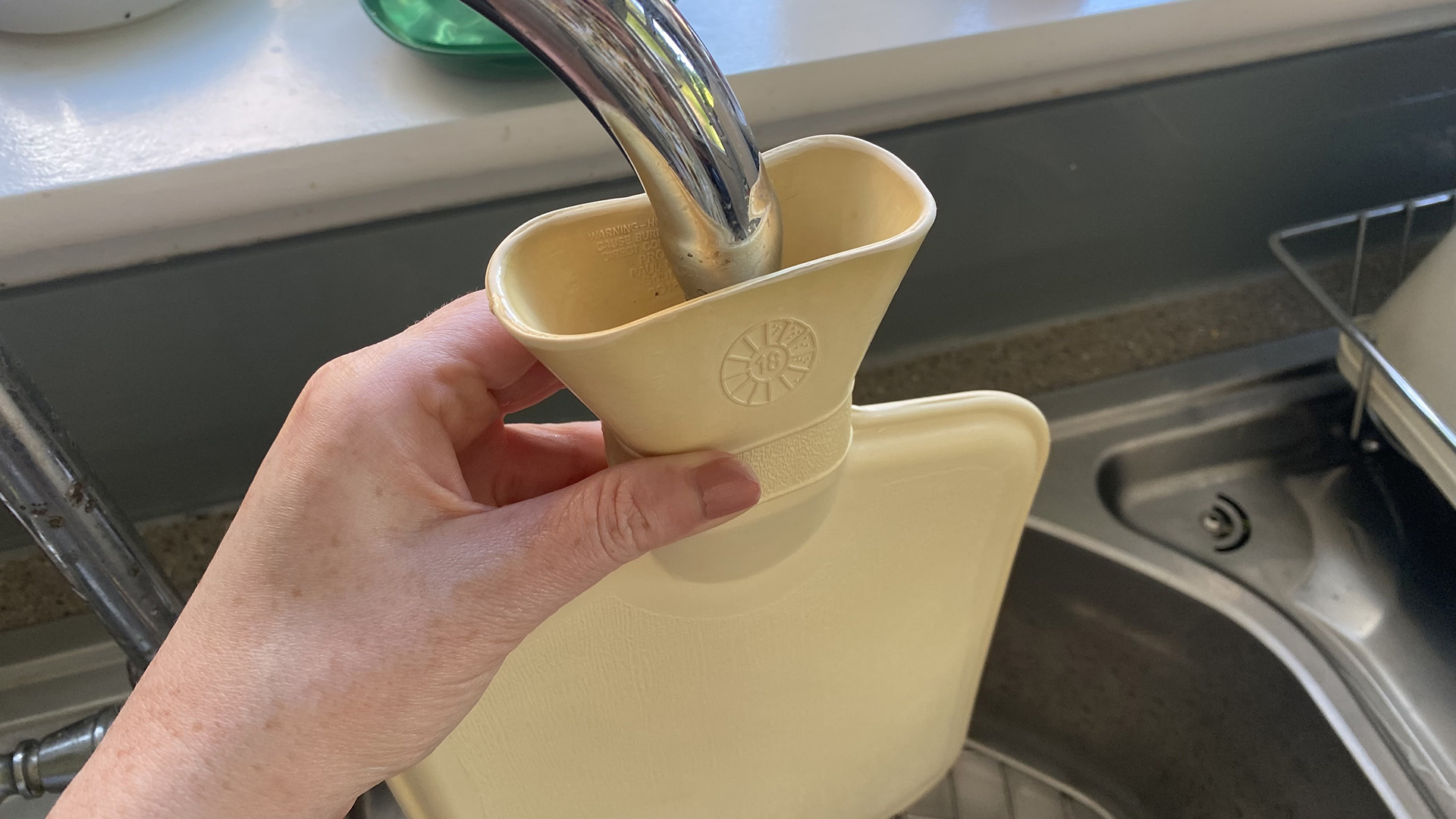
“Before heading up to bed, put the cold water bottle in a towel," she advises. "Place another thick towel at the foot of your mattress, where your feet will lie. Slide the bottle into its cover (or a thin pillowcase) just before you get into bed, then rest your feet on it once you’re in bed.
“This cools the blood in the vessels in your feet, helping to lower your body temperature so that you can fall asleep faster during the heatwave," she explains. For another way to cool your feet quickly, try keeping your socks in the freezer (put them in a bag first, to keep them away from your food.)
Freezing a hot water bottle can weaken the materials so avoid using it for hot water at a later date.
4. Turn your fan toward the window
No AC? A fan is the next best solution to quickly cool a room. But don't just point your fan at the bed. We've tried a better solution: direct your fan toward an open window. This pushes the hot air from your room out while helping cold air be drawn in.
For the most effective set up, try the two fan method. Open two windows: one in your bedroom and one on the opposite side of the house. Place one fan facing out towards an open window, and the other fan facing in towards the room by the second window. Turn both fans on to create cross ventilation and a consistent cooling breeze.
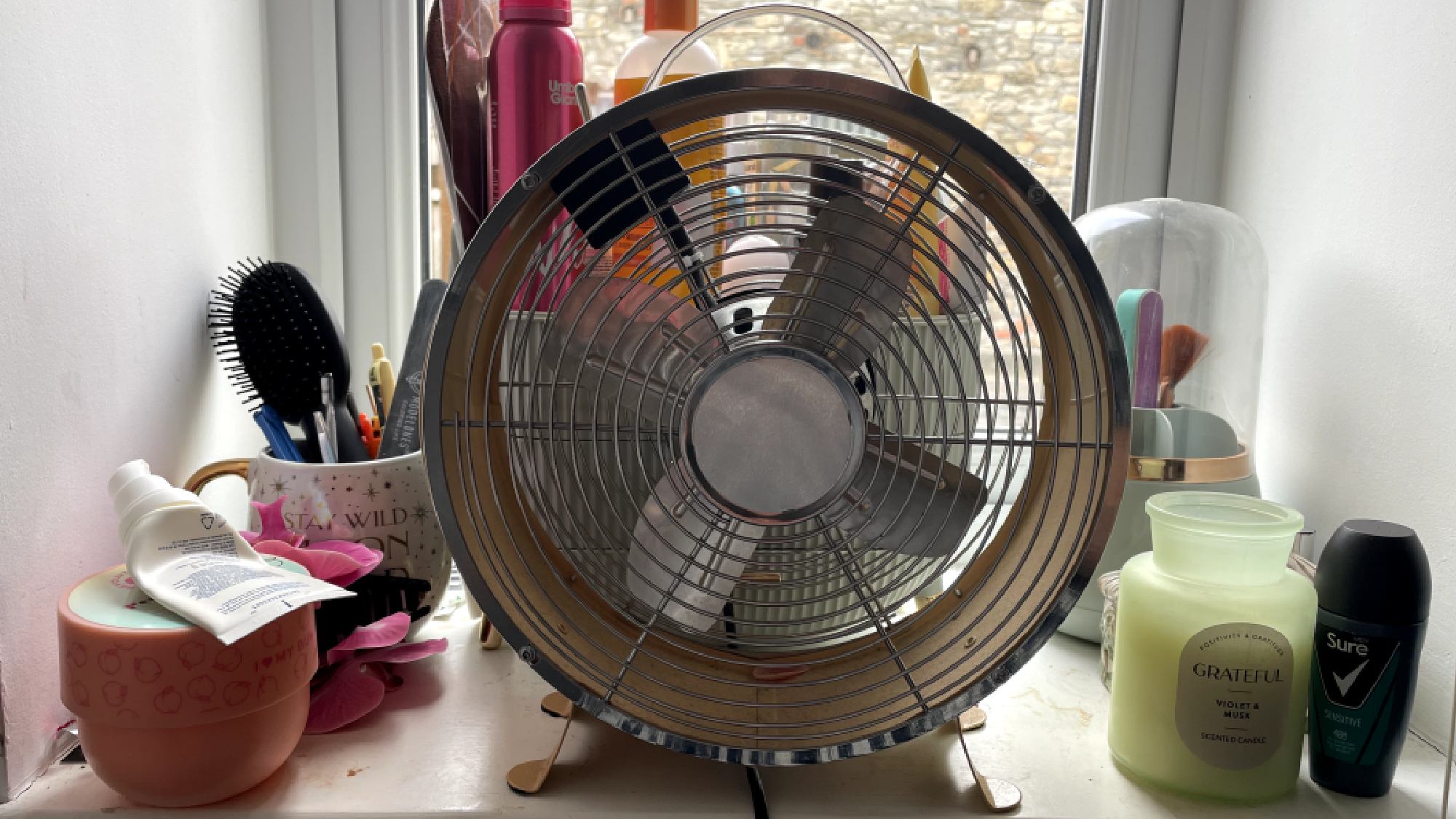
OR direct your fan at the wall or ceiling
If you don't have the windows (or fans) to make the above method work, try Frances's trick and turn your fan toward the ceiling or wall.
While having the fan facing your bed will give you the quickest stream of cool air, it also directs a blast of dust and other allergens directly at your face. This can lead to itchy eyes and sneezing.
By allowing the air to move around the room, you won't get the same concentration of allergens, for cooler sleep without the coughing.
5. Small fan? Try the ice water bottle trick
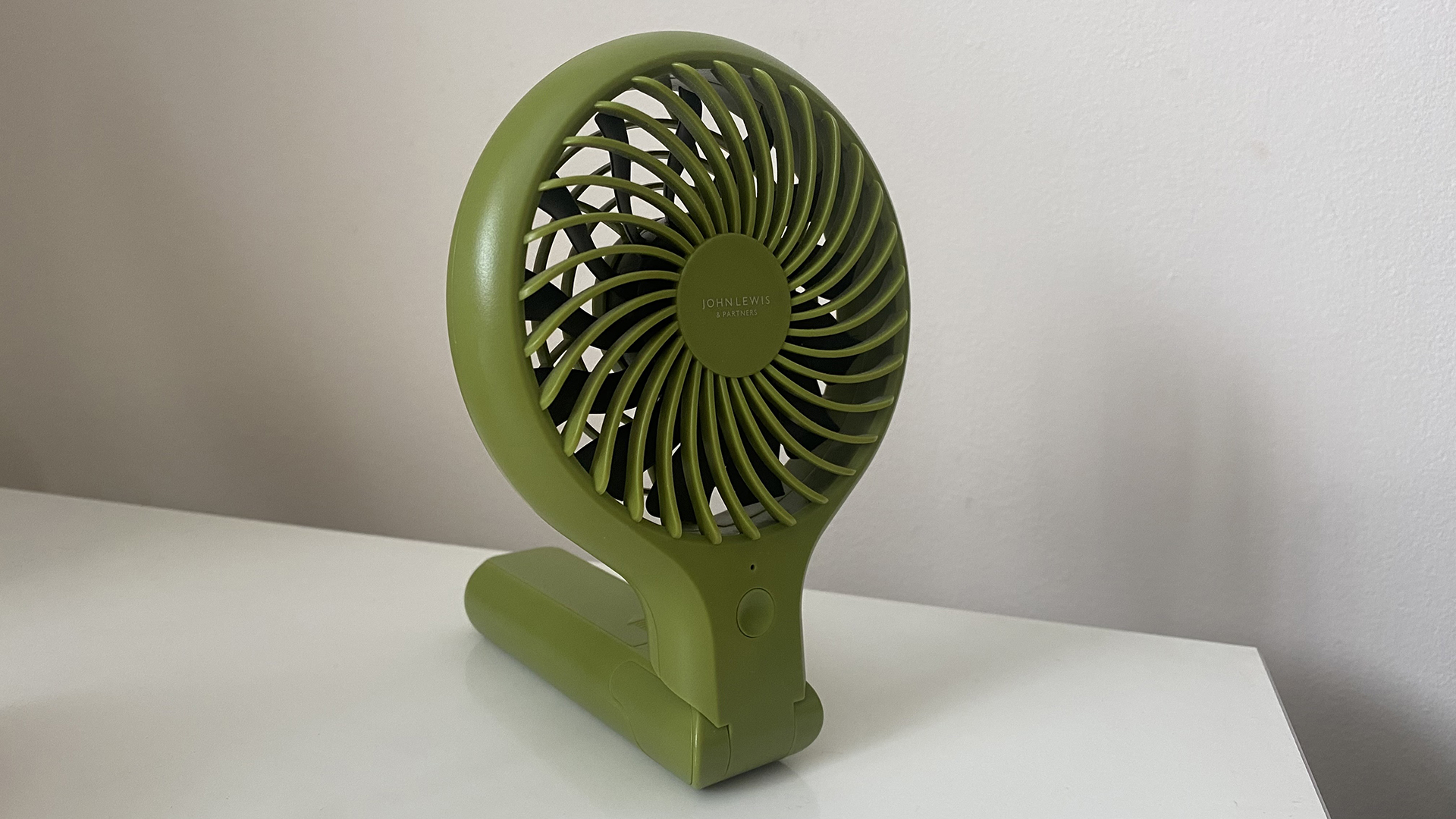
“One my mum taught me: freeze a few small bottles of water, and put a generous helping of salt inside each one before sealing them. Once the bottles are fully frozen, wrap them in a damp, thin cloth and stand them in front of your fan," says Claire.
“Salt lowers the freezing point of water, so these bottles will get significantly colder than ice cubes – and they will stay frozen for longer," she adds. "So you’ll feel the benefit of them for hours instead of minutes."
"I only have a small fan so unless it's point directly at my face, it can't keep me cool in the night," says Ruth. "Placing frozen bottles, or even a handful of ice cubes in a bowl, in front of it really ramps up the cooling power.
Why the damp cloth? "It catches condensation so you don't end up with a puddle on your nightstand come morning," explains Claire.
6. Ditch heavy bedding and sleep under a breathable top sheet
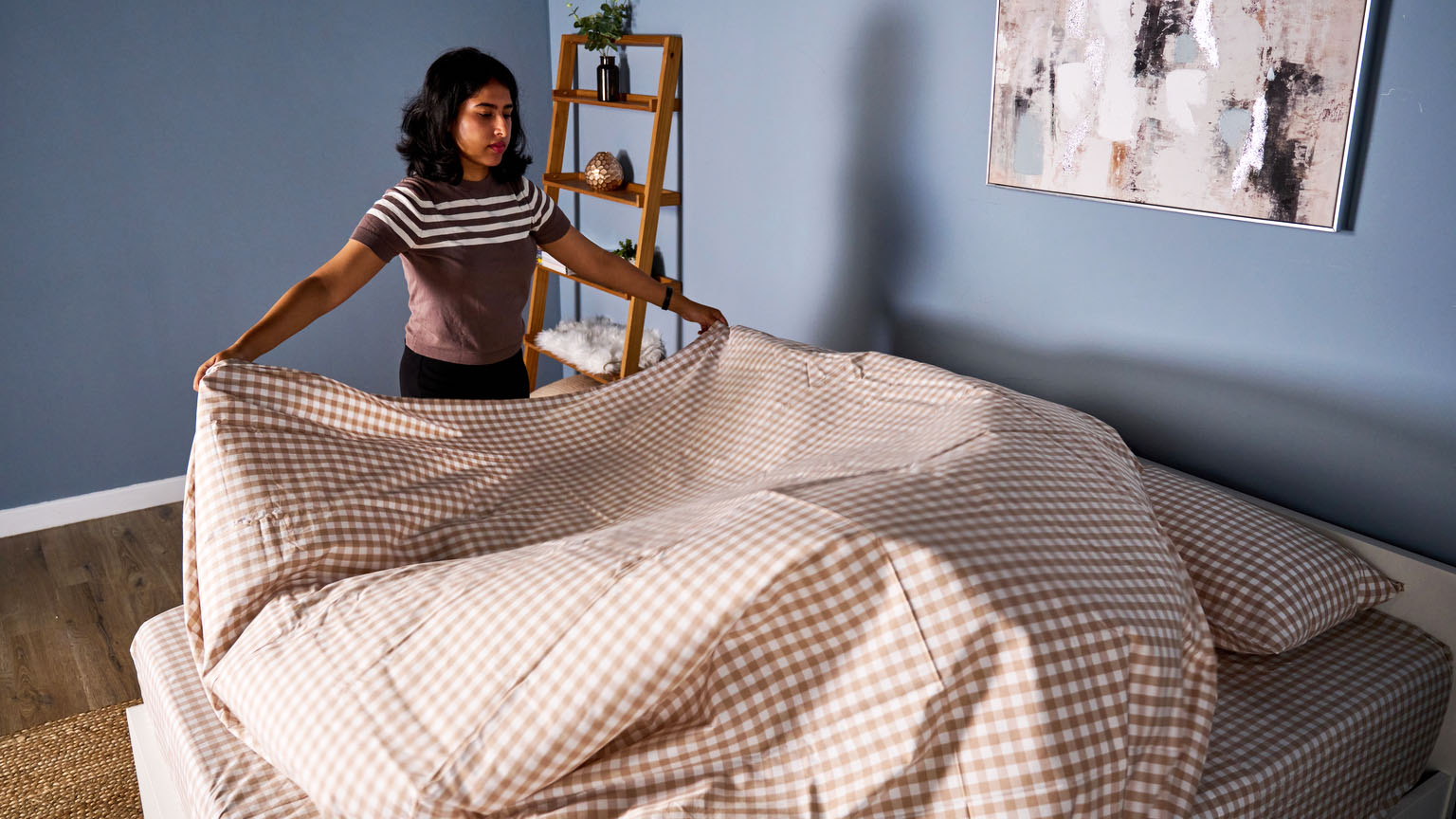
"Another tip I swear by is ditching the duvet and comforter in favor of a cooling and breathable flat sheet, like the DOZ Bamboo Flat Sheet," says Nicola.
"I don't really feel safe at night unless I have something covering me but a cooling sheet feels feather-light against my skin, allowing me to drop off quickly," she explains.
7. Upgrade your bedding to natural materials
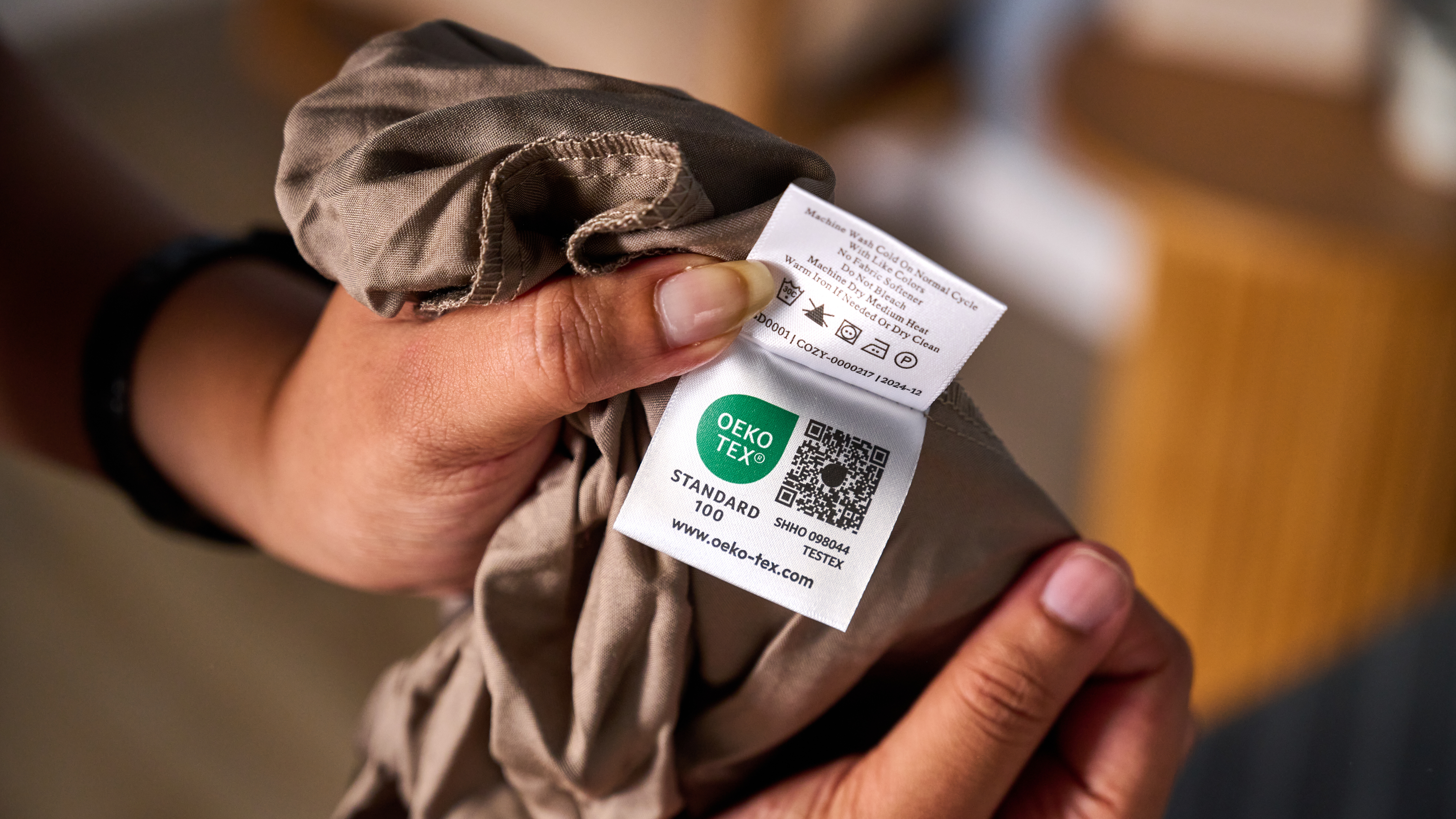
"Check the material composition of your bedding, including bed sheets, pillowcases, mattress protectors, and eye masks," advises Frances Daniels, Senior Sleep Writer. "I used to use satin pillowcases and eye masks, plus polyester bed sheets and pjs, during heatwaves until I realized they were causing me to feel uncomfortably warm."
While you might be tempted to ditch the pajamas altogether, the fabric helps sweat dissipate so you cool down faster. When you're naked, sweat instead sits on the skin causing that uncomfortably clammy sensation.
"I now use natural materials like cotton, silk, linen, and bamboo-viscose," says Frances. "These have built-in breathability, allowing hot air to circulate and cool."
And this doesn't have to mean an expensive shopping trip: check the labels on the sheet sets and pajamas forgotten in the back of your cupboard.
Why is it so hard to sleep in a heatwave?
You're sweaty, you're frustrated, and your pillow feels like it's fresh out of the oven — no wonder it's so hard to sleep in a heatwave.
But hot weather impacts your sleep beyond discomfort. It's also a fly in the ointment of the internal processes that control our sleep-wake cycle.
In the evening, your body naturally starts to lower in temperature by roughly 2°F / 1°C. This mimics the natural temperature drop between day and night while indicating to your circadian rhythm (your internal body clock) that it's time to sleep.
During a heatwave, however, your body can't successfully lose that heat. An increased ambient temperature keeps you warm and disrupts your body clock's wind-down process.
High overnight temperatures have also shown a decrease in sleep efficiency. In other words, when you do fall asleep, you're more likely to wake up in the night.