A doctor returning from a humanitarian mission in Congo has tested positive for Ebola in France, the country's first case of the virus during the current outbreak, the health ministry said on Wednesday.
The patient is being isolated and authorities are contact tracing, the ministry said in a statement, adding that the risk for the general European population was low.
Congo’s Ebola outbreak, which has infected more than 1,000 people and killed 267, has had the largest number of confirmed cases within the first month of any episode of the disease, the World Health Organisation has said.
The disease is capable of killing up to 90 per cent of infected people, and may remain hidden in recovered patients only to relapse months or years later.
Children have made up 15 per cent of confirmed cases and more than 25 per cent of deaths since the outbreak in April, and are almost twice as likely to die as adults, according to the UN Children’s Fund, Unicef.
Ebola causes a prolonged high fever, joint or body pain, nausea, diarrhoea and dehydration, rash and in some cases bleeding. There is no specific medicine, though early treatment can improve survival odds.
Dr Daniela Manno, clinical assistant professor at the London School of Hygiene and Tropical Medicine, told The Independent that while the case is the first reported in Europe, its detection is “not entirely unexpected” as transmission continues in the eastern DRC, and international travel between affected areas and Europe still occurs regularly.
“Case identification and contact tracing remain challenging in some outbreak-affected areas, meaning that infected individuals may seek healthcare before their exposure has been recognised,” she said.
Dr Manno said healthcare workers were particularly vulnerable as they may encounter patients in the early stages of the disease, when symptoms are often non-specific and can be mistaken for other common infections, delaying a response.
“However, the overall risk to the general population in Europe and the UK remains low. European countries have well-established protocols for identifying and managing suspected cases of viral haemorrhagic fever,” she added.
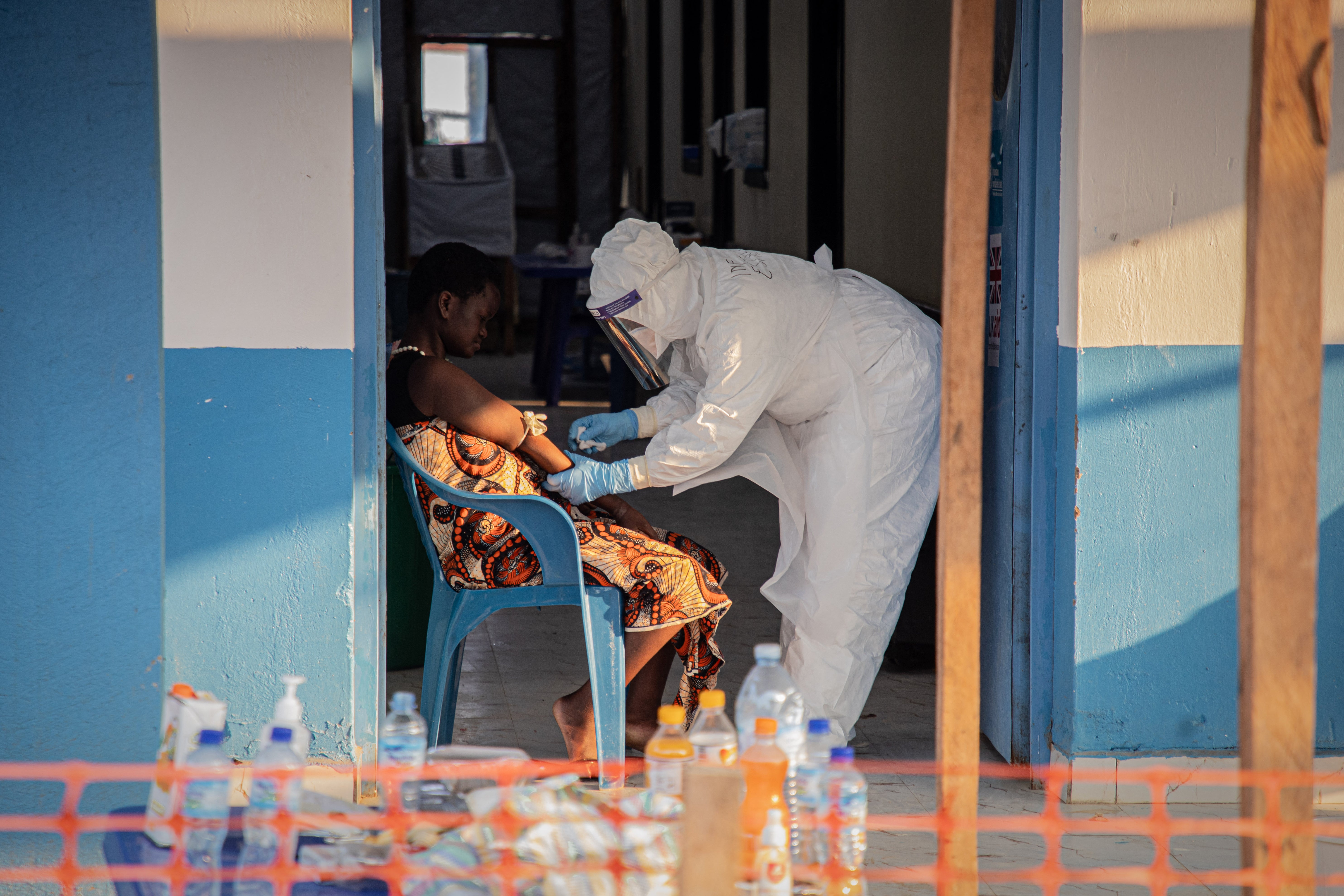
“Healthcare facilities should remain vigilant, particularly when assessing travellers arriving from affected areas who present with symptoms compatible with Ebola disease. Rapid identification, isolation, diagnostic testing, contact tracing, and appropriate infection prevention and control measures remain the most effective tools for preventing onward transmission.”
Commenting on the confirmd case in France, Dr Michael Reynolds, Incident Director at UKSHA, told The Independent the outbreak remains a “low risk to the UK” and said “we have robust procedures and specialist facilities in place to identify and manage any cases safely should they arise”.
“We continue to monitor routes into the UK from affected countries, ensuring travellers have information on symptoms and how to seek care if unwell. UKHSA has also activated the Returning Workers Scheme to monitor and support those travelling to affected areas where they may be directly exposed to Ebola through their work.”
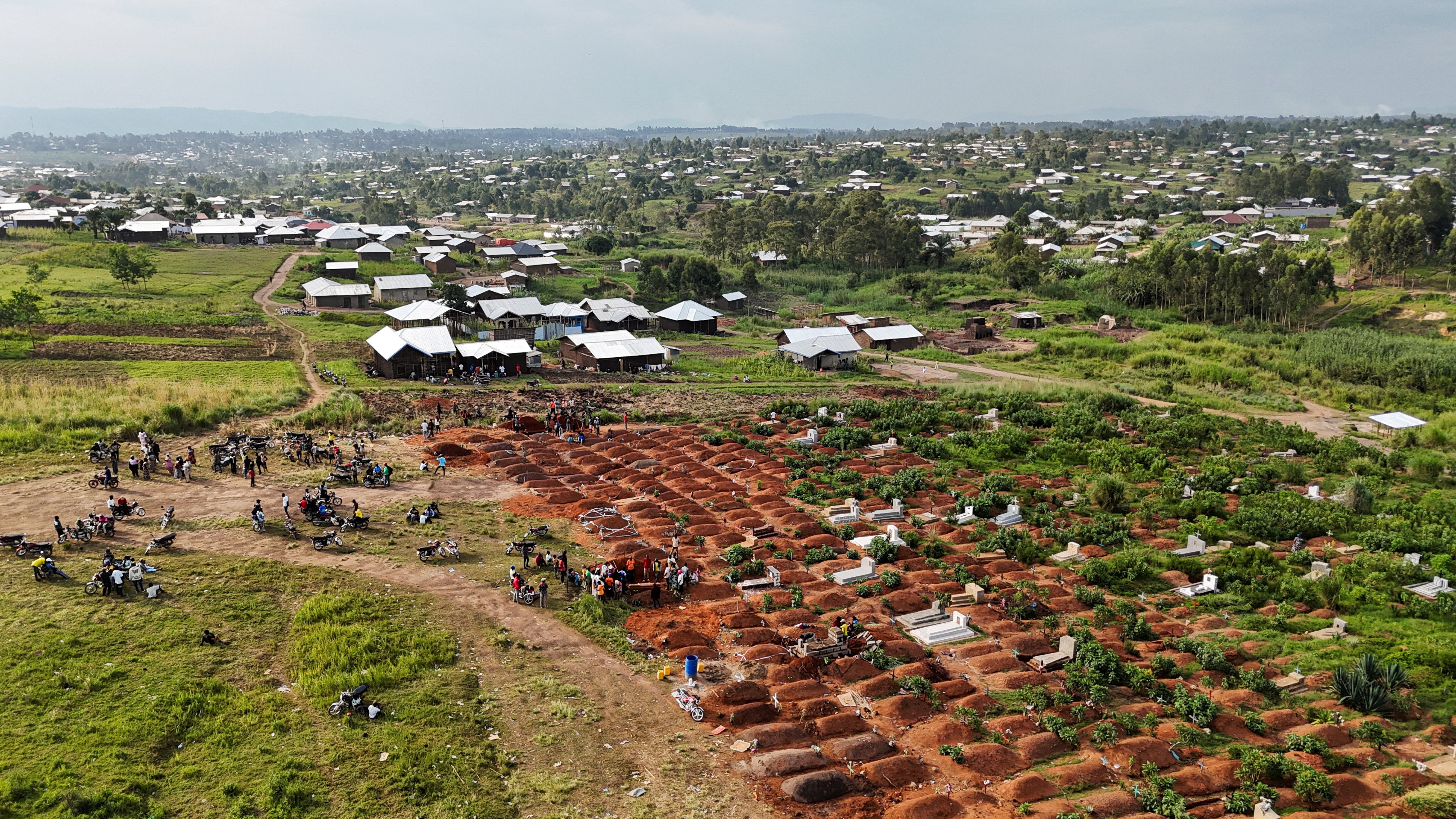
Abdirahman Mahamud, a senior WHO official, told reporters in Geneva this week that the scale of the current outbreak was due to the disease’s initial presence in built-up urban areas, where historically they have been first identified in rural areas and contained quickly.
“What is important is we need to scale up, and this outbreak is moving faster than us,” he told reporters after returning from Bunia last week.
The two largest previous Ebola outbreaks were one in west Africa, in Guinea, Sierra Leone and Liberia, which killed 11,000 people between 2014 and 2016, and a less fatal outbreak in Congo in 2018.
The US Centers for Disease Control has warned this could potentially be the worst Ebola outbreak yet, with Washington now making a modest contribution to relief efforts after slashing aid to the region at the start of Donald Trump’s second term.
The US Health Department said this week it has provided doses of an experimental antibody drug for use in a trial to fight the widening outbreak. It was unclear how many doses it would provide.