Experts have warned of the growing threat of flesh-eating bacteria across Europe’s beaches as a result of climate change.
Vibrio vulnificus, a climate-driven flesh-eating bacterium, has already led to the closure of several Spanish beaches, according to Euronews.
The waterborne microorganism lives in marine and brackish waters, particularly where the rivers meet the sea, and the aquatic bacteria can also be found in seafood. Some strains can cause gastroenteritis, as well as severe and fatal infections in some cases.
The European Centre for Disease Prevention and Control has warned that there is an “increased risk of Vibrio infections throughout the summer season”, especially during heatwaves.
Warmer water is said to create a hotbed for the bacterium, with rising temperatures and extreme weather multiplying the areas at risk. With increasing temperatures as a result of climate change, authorities warn that the
The European Food Safety Authority says that the bacteria can cause infections through the consumption of raw seafood or contact with open wounds in the water.
“Vibrio is a close relative of the bacterium that causes cholera, although the two microorganisms cause very different diseases,” explains Gavi, an organisation that aims to vaccinate children across the world against deadly disease.
“In severe cases, the infection can trigger necrotising fasciitis, in which the tissue around the wound breaks down rapidly. The bacterium can also enter the bloodstream, causing sepsis, and in some instances patients require amputation of the affected limb.”
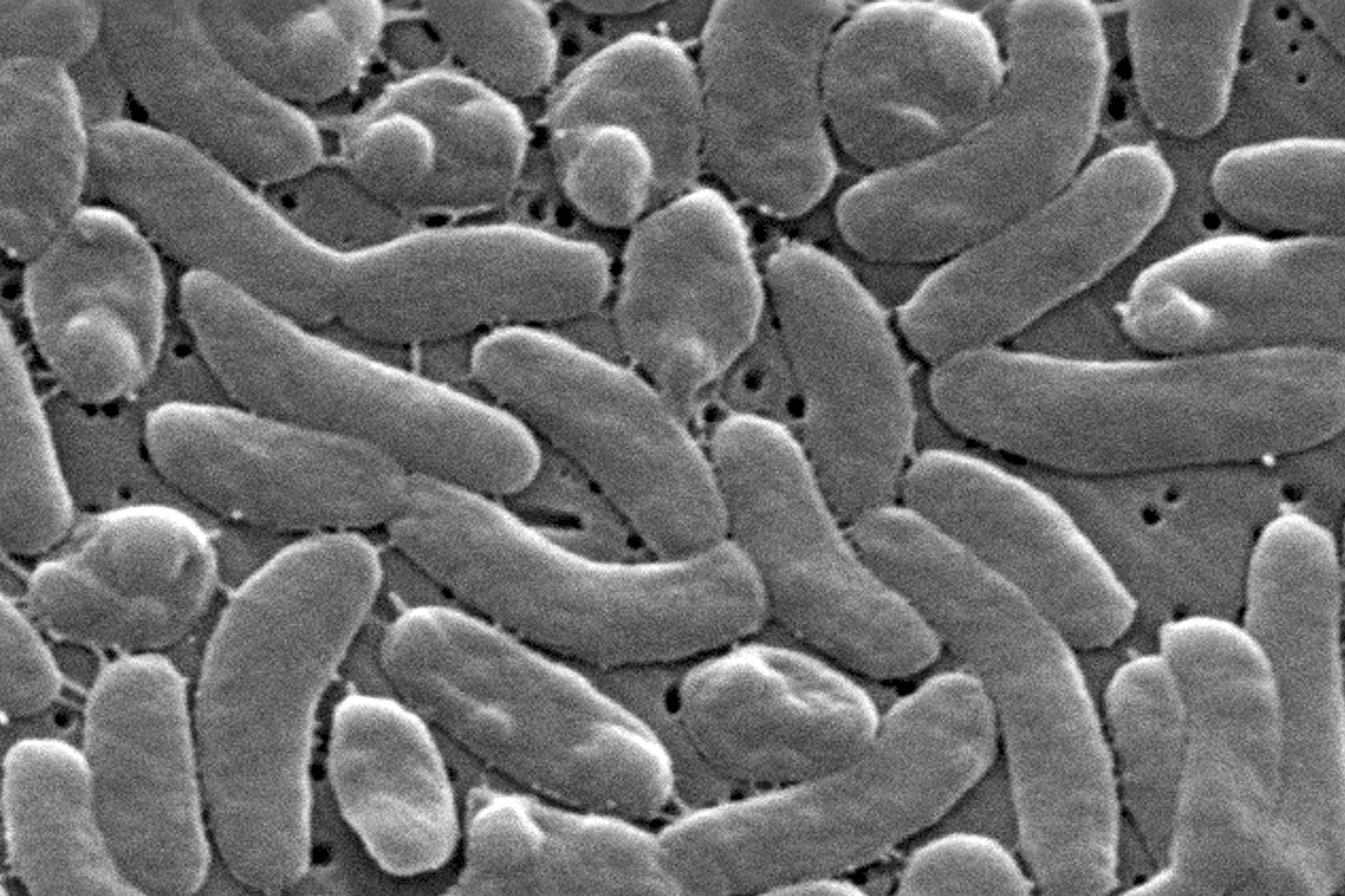
Necrotising fasciitis occurs where bacteria rapidly destroy skin, fat and tissue surrounding muscles, which then dies leading to its name as “flesh-eating bacteria”.
The infection is fatal in around 20 to 50 per cent of cases, Gavi says.
A study presented at the ESCMID Global 2026 conference in April this year said that cases have risen sharply over the past decade, with the research focusing on Denmark – where 200 severe case are recorded especially during warmer years – and the wider Nordic region.
According to the CDC in the us Vibrio Vulnificus infections in the eastern part of the United States increased eightfold from 1988–2018 with the affected area spreading.
The CDC advises two main steps that can help keep people safe: Do not eat raw or undercooked seafood. Secondly, do not let coastal water get in an open wound.
Urbanova Beach and San Gabriel Beach in Alicante have been shut in previous incidents involving other forms of bacteria.
Europe has been facing record-breaking temperatures with parts of France hitting 44C on Tuesday.
Authorities in the coastal region of Finistere in Brittany said that 68,000 households were left without electricity due to an incident involving a transformer on Tuesday, adding it was “accidental and linked to the high temperatures currently being experienced”.
Weather agency Meteo France has said the conditions are comparable to a heatwave in August 2003 that lasted 16 days and caused an estimated 80,000 excess deaths across Europe.