Buying a used car can be a smart financial decision. A well-maintained vehicle often provides years of dependable service at a fraction of the cost of a new car. However, not every used car is a bargain. Some vehicles may have hidden problems that can lead to expensive repairs shortly after purchase.
A quick test drive and a clean exterior are not enough to determine whether a used car is worth buying. Before handing over your money, it is important to inspect several critical components that reveal the vehicle's true condition. Taking the time to check these areas can help you avoid unpleasant surprises and make a confident purchase.
Engine Condition
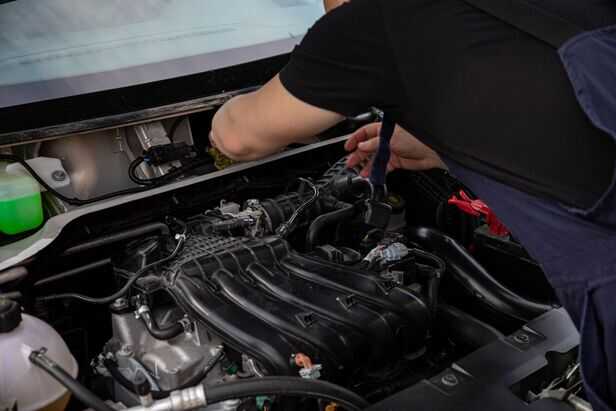
Engine Health Matters
The engine is the heart of any vehicle and one of the most expensive components to repair or replace.
Start by opening the hood and looking for obvious signs of trouble. Oil leaks, excessive dirt buildup, cracked hoses, or damaged belts may indicate poor maintenance. Check the engine oil using the dipstick. Clean oil with a proper level is usually a good sign, while dark, sludgy oil may suggest neglected servicing.
When starting the engine, listen carefully for unusual noises such as knocking, ticking, or rattling. These sounds can point to internal wear or mechanical issues. Also watch the exhaust. Excessive blue, black, or white smoke may indicate engine problems that require further inspection.
Transmission Performance
The transmission plays a major role in how smoothly a vehicle drives. Repairs can be extremely costly, making this one of the most important areas to inspect.
For automatic vehicles, pay attention to how the car shifts between gears during a test drive. Gear changes should feel smooth and consistent. Delayed shifting, jerking, slipping, or unusual noises may indicate transmission problems.
For manual vehicles, check the clutch operation. The clutch should engage smoothly without excessive vibration or slipping. Difficulty shifting gears may signal wear or mechanical issues.
If possible, inspect the transmission fluid. Healthy fluid is typically clean and has a reddish color. Burnt-smelling or dark fluid may suggest internal problems.
Brake System
A vehicle's braking system directly affects safety. Worn brakes can increase stopping distances and create dangerous driving conditions.
Inspect the brake pads through the wheel openings if visible. Extremely thin pads may need immediate replacement. During a test drive, apply the brakes at different speeds. The vehicle should stop smoothly without pulling to one side.
Listen for squealing, grinding, or scraping sounds. These noises often indicate worn brake components. Also pay attention to any vibration in the brake pedal, which may suggest warped brake rotors.
Checking the condition of the brakes before purchase can save both money and potential safety concerns.
Tires
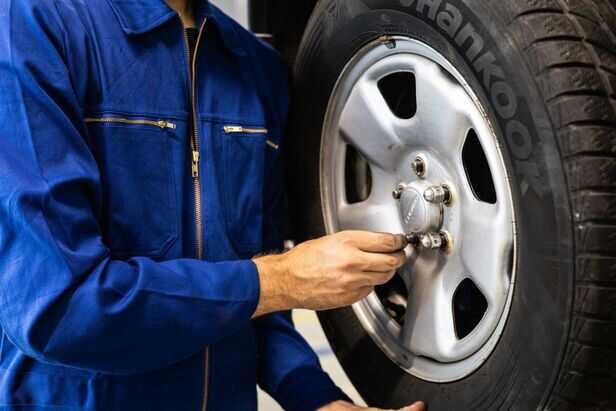
Check the Tires
Tires can reveal a lot about how a vehicle has been maintained.
Look for even tread wear across all four tires. Uneven wear patterns may indicate alignment problems, suspension issues, or improper tire maintenance. Check the tread depth to ensure the tires still have plenty of life remaining.
Inspect the sidewalls for cracks, bulges, or cuts. These defects can compromise safety and may require immediate replacement.
Replacing four tires can be costly, so their condition should be factored into the vehicle's overall value.
Suspension and Steering
The suspension system helps provide a comfortable ride while maintaining vehicle control. Problems in this area may affect handling, safety, and driving comfort.
During the test drive, pay attention to how the vehicle responds over bumps and rough roads. Excessive bouncing, clunking sounds, or poor stability may indicate worn suspension components.
The steering wheel should feel responsive and remain centered while driving straight. If the vehicle drifts to one side or the steering feels loose, there may be alignment or steering system issues.
A properly functioning suspension system contributes to a safer and more enjoyable driving experience.
Battery and Electrical System
Modern vehicles rely heavily on electrical systems. Problems in this area can be frustrating and difficult to diagnose.
Inspect the battery terminals for corrosion and check the battery's age if possible. An old battery may soon require replacement.
Test all electrical features, including:
- Headlights
- Brake lights
- Turn signals
- Power windows
- Air conditioning
- Audio system
- Dashboard controls
- Interior lighting
Any malfunctioning electrical component could indicate larger issues within the vehicle's wiring or charging system.
Cooling System
The cooling system prevents the engine from overheating. Neglecting this area can lead to severe engine damage.
Inspect the radiator, hoses, and coolant reservoir for leaks or visible damage. Coolant should appear clean and free from contamination.
During the test drive, monitor the temperature gauge. The engine should maintain a normal operating temperature without overheating.
A vehicle with cooling system problems may seem fine initially but could develop major issues later.
Vehicle Frame and Body
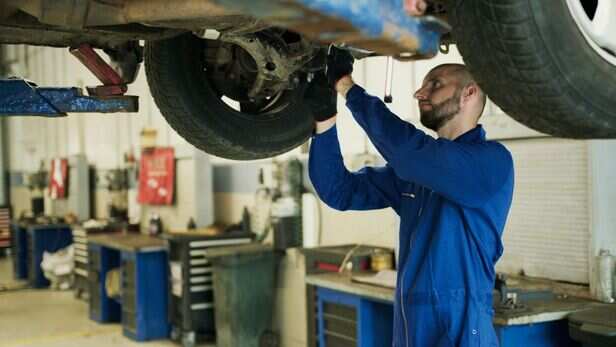
Look Beyond the Paint
Cosmetic appearance is important, but structural condition matters even more.
Walk around the vehicle and inspect the body panels closely. Uneven gaps between panels, mismatched paint, or signs of repair may suggest previous accident damage.
Look underneath the vehicle for excessive rust, especially around structural components. Surface rust is common on older vehicles, but severe corrosion can weaken the frame and create safety concerns.
A vehicle history report can also provide useful information about past accidents and repairs.
Air Conditioning and Heating System
Many buyers overlook climate control systems until after they purchase the vehicle.
Turn on both the air conditioning and heating systems during your inspection. The air conditioning should produce cold air quickly, while the heater should warm the cabin efficiently.
Repairs involving compressors, heaters, or climate control systems can become expensive, making it worthwhile to test these features beforehand.
Fluid Leaks
Leaks can indicate underlying mechanical problems.
After the vehicle has been parked for a while, check the ground beneath it for signs of leaking fluids. Common fluid colors include:
- Brown or black for engine oil
- Red for transmission fluid
- Green, orange, or pink for coolant
- Clear or yellowish for brake fluid
Even small leaks may become larger and more expensive over time.
Service Records
A used car's maintenance history often tells a clearer story than its appearance.
Ask the seller for service records and maintenance receipts. Regular oil changes, brake servicing, tire rotations, and scheduled maintenance indicate responsible ownership.
Vehicles with complete maintenance records generally provide more confidence than those with little or no documented history.
Take a Professional Mechanic Along
Even if you perform your own inspection, a professional mechanic can identify issues that may not be obvious.
A pre-purchase inspection usually costs far less than unexpected repair bills after buying the vehicle. Mechanics can evaluate the engine, transmission, suspension, brakes, and other systems using specialized tools and expertise.
This extra step can provide peace of mind and strengthen your negotiating position if repairs are needed.
Making a Smarter Purchase
Buying a used car requires more than a quick glance and a short drive around the block. Carefully inspecting the engine, transmission, brakes, tires, suspension, electrical system, cooling system, and vehicle structure can help you identify potential problems before they become your responsibility.
A little patience during the inspection process can save thousands of dollars in future repairs. The more thoroughly you evaluate a vehicle before purchasing, the better your chances of finding a reliable car that delivers value for years to come.
Unlock insightful tips and inspiration on personal growth, productivity, and well-being. Stay motivated and updated with the latest at My Life XP.