
America’s car market keeps smashing records, just not the kind anyone wants to brag about. Cars have never been more expensive, loan terms have never stretched longer, and monthly payments have skyrocketed. The milestones we’re seeing in American car-buying today are no fun at all.
Just look at the actual numbers. This year, the average monthly payment for a new car purchase hit a whopping $773. The typical amount financed reached $43,899. Nearly a quarter of shoppers are now signing up for 84-month-or-longer car loans. These are all all-time highs, according to Edmunds. Meanwhile, the average new car will run you close to $50,000, up about $10,000 from 2019. All the data points to the same stubborn affordability problem.
Gallery: Slate Auto EV Truck


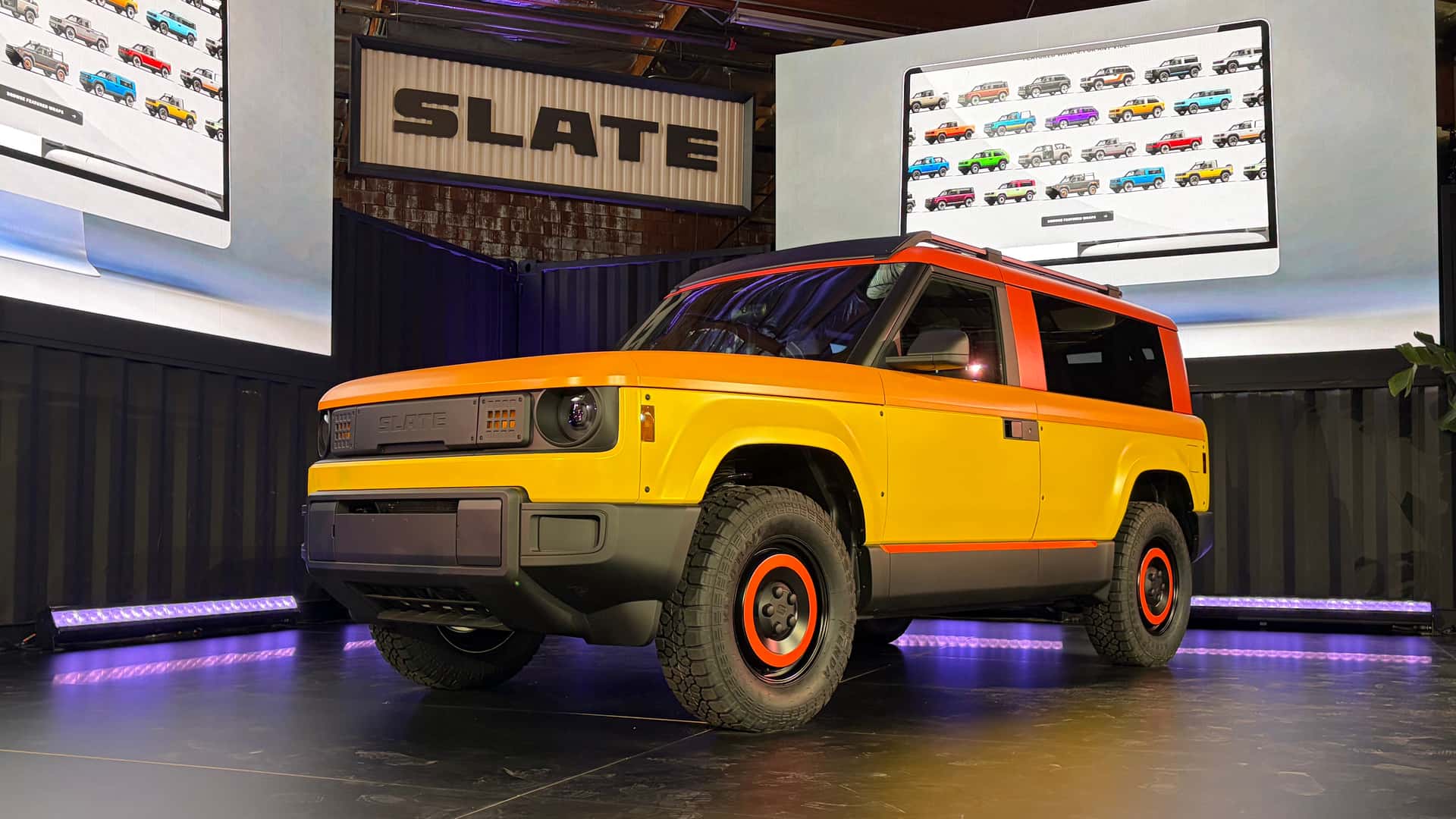
Slate Auto is betting that people are fed up enough to consider something radically different. On Wednesday, the Michigan-based EV startup revealed the final pricing and specifications of its first model, a staggeringly basic pickup truck shipping later this year. At $24,950, the Slate will be both the country’s cheapest new electric vehicle and its lowest-priced pickup. But will it be an automatic slam dunk? Featuring crank-up windows, modest electric range, and virtually limitless customization options, the vehicle will test just how far outside of their comfort zone Americans are willing to go in the name of a cheaper set of wheels.
"Slate is making a $25,000 bet that drivers still want something simple,” said Ivan Drury, Edmunds’ director of insights. “Our data show the market quietly walked away from that price years ago, so this is a real test of how much affordability still matters to today's buyers.”
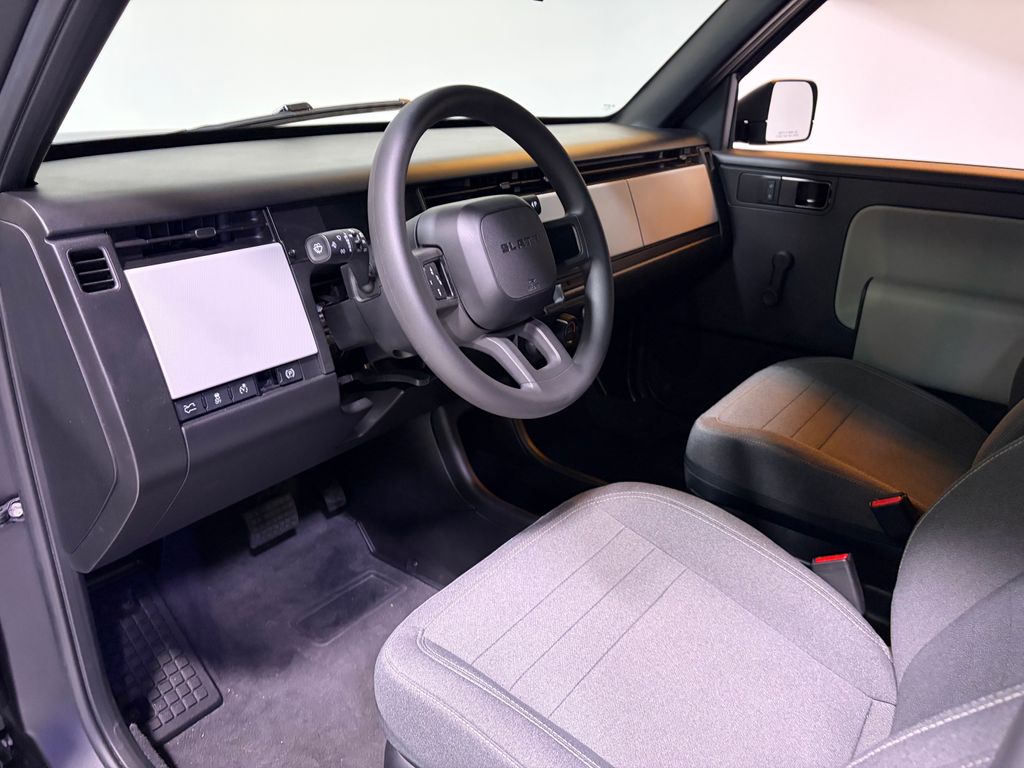
That base price buys you what the company calls the Blank Slate, a stubby pickup with two doors, two seats, steel wheels, and, well, not a whole lot else. There is no touchscreen, no radio, no speakers, and not even paint. Every Slate comes from the factory with the same gray hue, which is dyed into its plastic body panels.
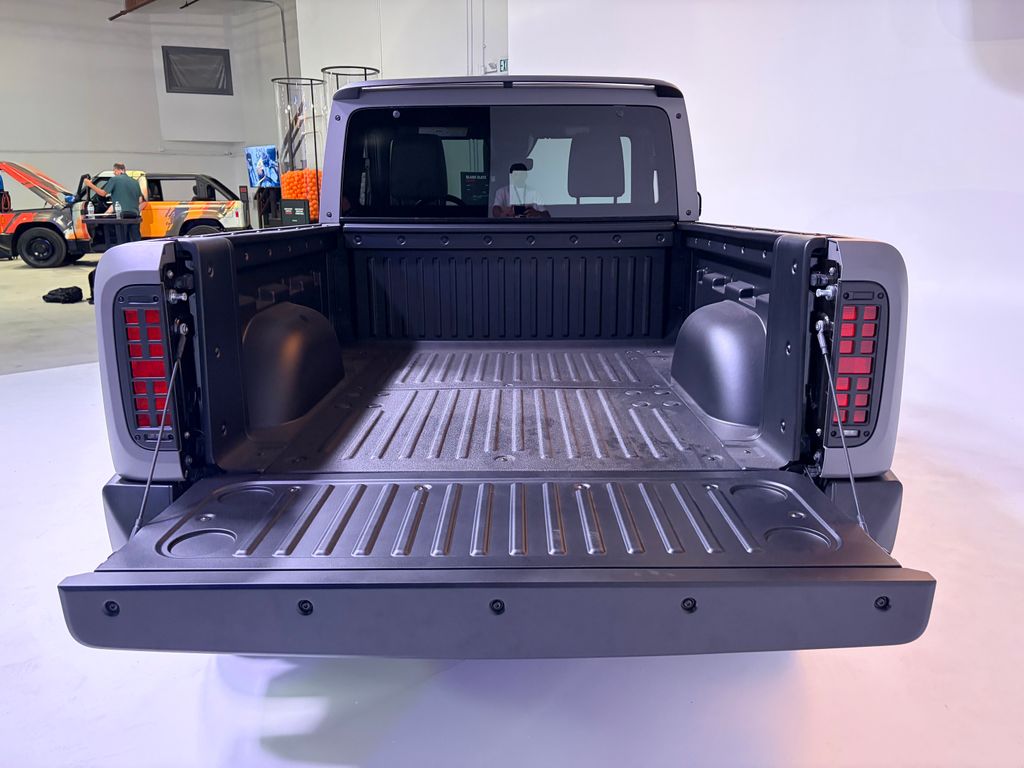
The Slate is also far punier than today’s usual steroid-injected truck, in a good way, I think. At 174.6 inches long, it’s about two feet shorter than a Ford Maverick, the current short king of the pickup world. Still, it packs a five-foot bed and a spacious 7.0-cubic-foot trunk under the hood. Up close, I found the Slate refreshingly basic, low-tech, and petite. Will others feel the same? Time will tell.
How people feel about the range on tap will also help decide the Slate’s fate. A 65-kilowatt-hour lithium iron phosphate battery delivers an estimated 205 miles on a full charge. Slate argues that’s enough—especially for the price, and especially when the data shows that Americans tend to drive around 40 miles per day.
“At half of the average cost of an EV, having a range over 200 miles is awesome, and we think that there is a huge market for that,” Jeremy Synder, Slate’s chief commercial officer, told me. “That is plenty of range to drive, for most people, for an entire week.”
Maybe so. Lots of people loved (and continue to love) their BMW i3s and the like, pioneering electric grocery-getters with 200 miles of range, or 100 miles, or even less. The majority of American households have at least two cars, one of which is generally better suited to longer road trips.
But 205 miles is also not much by modern EV standards, and other manufacturers have steadily nudged ranges upward to get more people on board with EVs. The new Chevy Bolt offers 262 miles, the Nissan Leaf delivers over 300, and both cost only a few grand more than the Slate while offering five seats and lots of other normal-car stuff as standard equipment. Add on the optional $5,000 kit that transforms the Slate truck into a five-seat SUV, and the new EV competes pretty much head-on with those crossovers.
However, Slate is also in a class of its own, and that party trick helps explain why. The company offers a level of deep, do-it-yourself customization that’s simply never been tried before in the car business. There are no trims or options packages—just a laundry list of mix-and-match accessories that Slate says will expand over time.
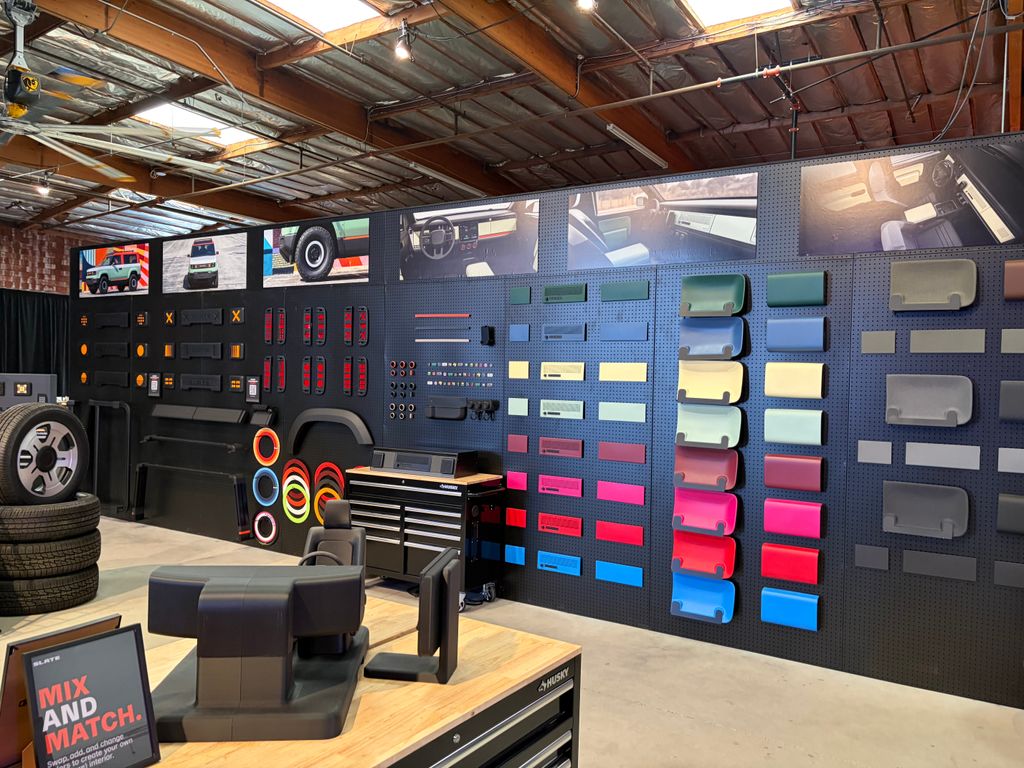
The accessory shop that opened on Wednesday shows some expensive add-ons, sure, like two $5,000 SUV designs complete with airbags, roll bars, and a back row of seats. Slate also invites buyers to add a Bluetooth stereo for a few hundred bucks, or colorful interior panels and door pockets for far less. Owners can trick out the exterior of their trucks by choosing from light covers and over 100 wrap colors, starting at $500. All upgrades can be added at any time, and owners can DIY or arrange for professional help.
The unique ability to accessorize may end up being the edge Slate needs to compete with the current crop of low-cost EVs plus what’s coming next, like Ford’s $30,000 electric pickup due out in 2027. But it’s also a total wildcard because it’s never been done before.
The whole Slate concept has gotten a lot of attention so far, including from people who see an antidote to overcomplicated, overpriced new cars. Since the startup broke cover a little over a year ago, over 180,000 people have reserved a truck. But, as so many new EV launches have demonstrated, refundable deposits and actual paying customers are not the same thing. (The Cybertruck apparently cleared over a million reservations, and look how that turned out.) With actual $300 preorders opening up, it’s time to see who puts their money where their mouth is.
Contact the author: Tim.Levin@InsideEVs.com