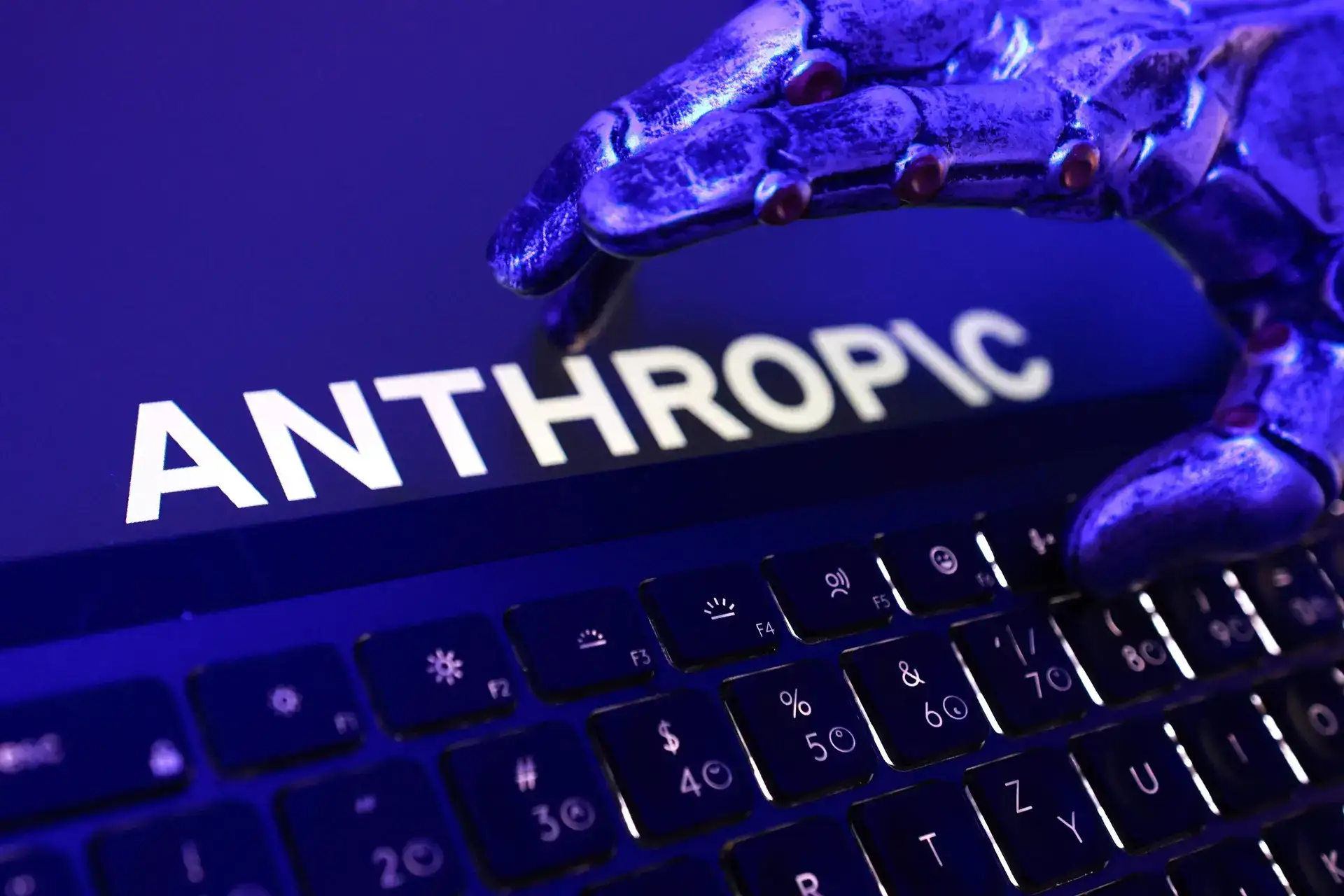
American artificial intelligence (AI) startup Anthropic launched Claude Tag, a new Slack-native AI experience, on Wednesday. Tag replaces the existing Claude chatbot in the Salesforce-owned cloud-based communication and work collaboration platform. Here’s everything you need to know about the latest workspace AI agent from the Dario Amodei-led startup:
“This is a new paradigm for interacting with Claude that is significantly more "inline" with all the other human activity org-wide. Once you do all of the under the hood engineering work to make this "just work" (e.g. across tools, integrations, compute environments, memory, security, etc.), Claude basically joins the team in a seamless way — you can talk to it as you would talk to a person and it can help with a very large variety of workloads,” the newly joined Andrej Karpathy, who leads the pre-training team at Anthropic, wrote in a post on X on Wednesday.
Internally, the company says its version of Claude Tag now contributes to over 65% of product-team code generation and is increasingly used across functions, including engineering, support, analytics and operations.
How does it work?
Users will now simply have to tag @Claude in Slack channels, and can send direct messages, or access Claude through Slack's AI assistant panel. Unlike traditional chatbots, Claude works as a shared teammate within a channel, using organisation-approved tools, code repositories and context to complete tasks asynchronously.
Claude Tag works with the company's latest large language model (LLM), Opus 4.8, which was launched last month.
This means Tag would continue working in the background and alert a user only once a task is finished. A single Claude Tag is available per Slack channel that everyone can collaborate with. The agent claims to remember relevant channel and workspace context over time, and can schedule tasks, revisit unfinished work, and proactively notify users.
How is Claude Tag an evolution of Claude Code?
Coding agent Claude Code was launched in February last year. While it served as a terminal-based (text-only programming interface), single-player tool built for individual developers and runs directly on the user's local machine to read, write, and execute tasks across your local file system, Tag is a more conversational, team-based, multiplayer agent that lives inside Slack.
Who administers Tag?
The system is designed around strict administrative controls. Only organisation Owners or Primary Owners can provision Claude Tag's identity, connect tools, define accessible channels, manage spend limits, and review activity logs. Permissions and memory remain scoped to specific workspaces and channels, preventing information from leaking across teams.
Who gets access?
The multiplayer agent is currently available in beta for Team and Enterprise customers. Existing Claude in Slack users will be migrated to Claude Tag, with the legacy experience switching over on August 3. The company plans to expand Claude Tag beyond Slack over time.